Home/Destinations/Cairo & Giza
Where the last surviving Wonder of the Ancient World stands guard over a city of 22 million souls. Five thousand years of history do not recede here — they press forward, vivid and insistent, at every turn.
Cairo is not merely a destination; it is an argument that time can be layered indefinitely without ever collapsing under its own weight.
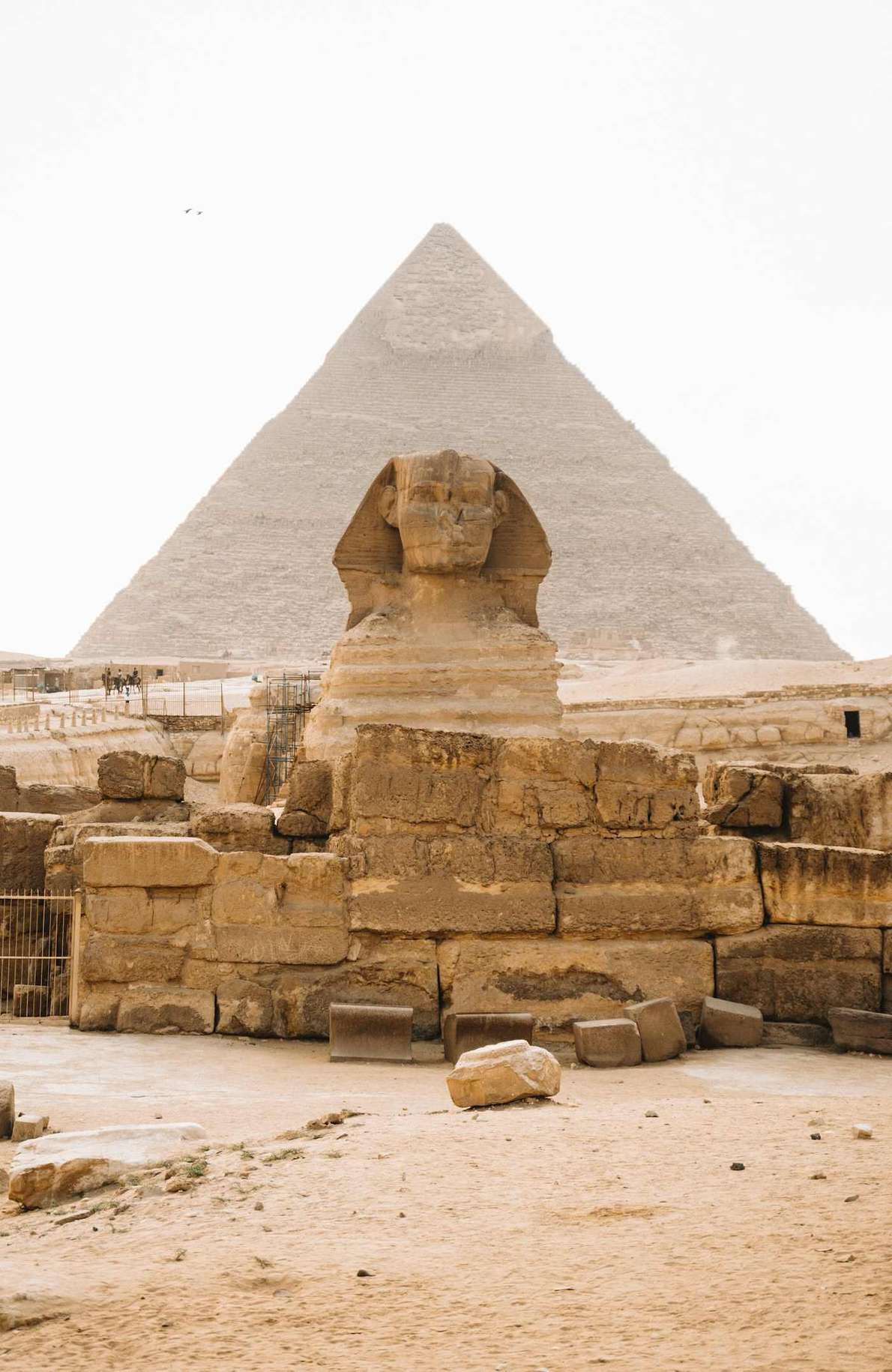
Stand at the foot of the Great Pyramid of Khufu and you are face to face with a structure older than the Roman Empire, the birth of Islam and the Renaissance — combined. Yet turn around and you see a city that does not pause for reverence: 22 million lives moving at full velocity.
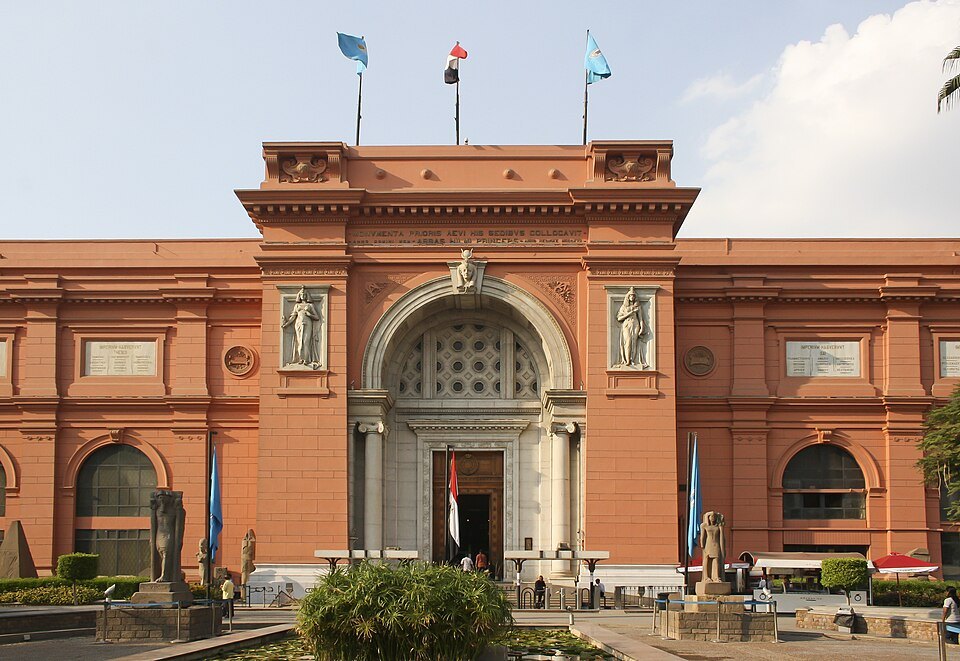
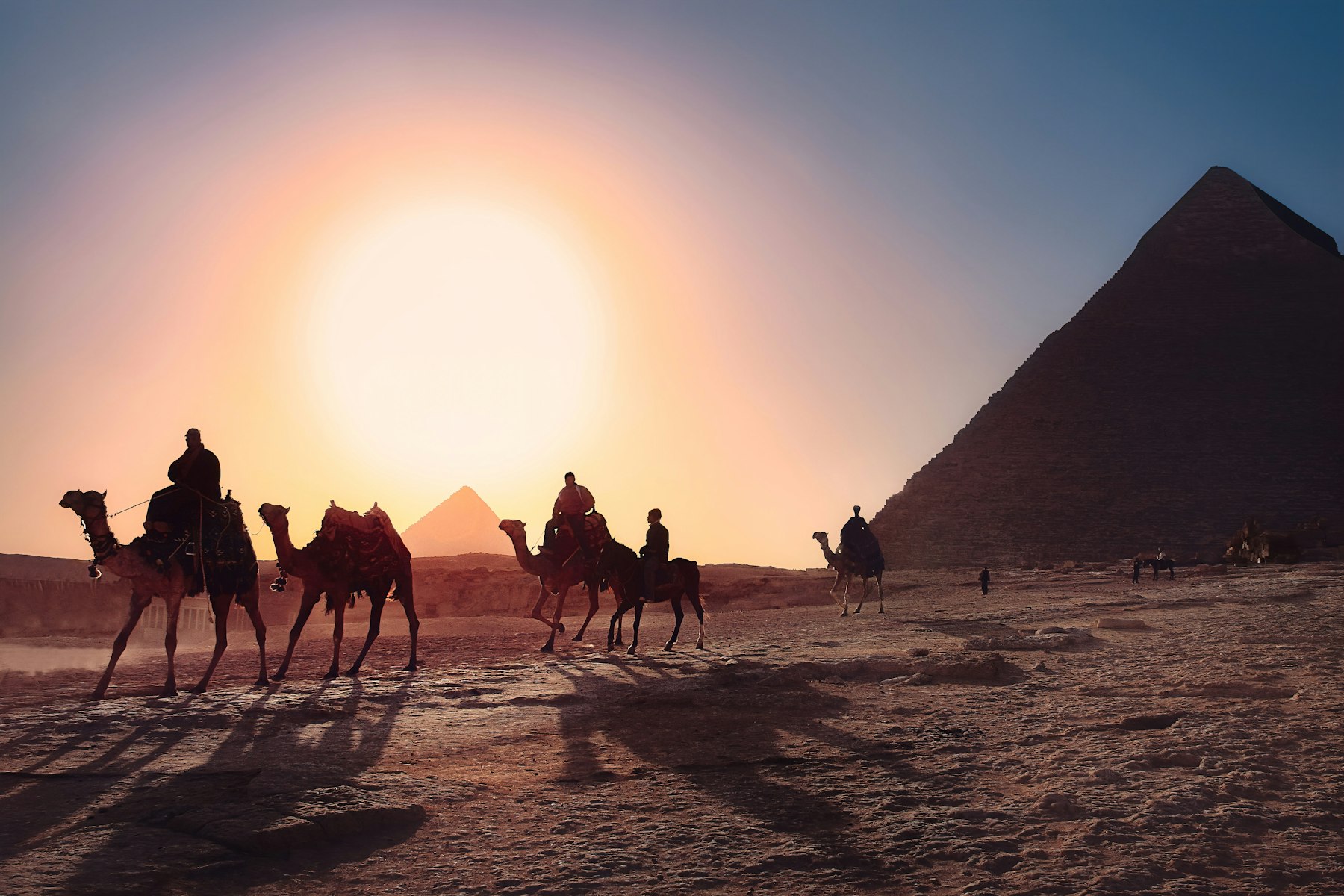
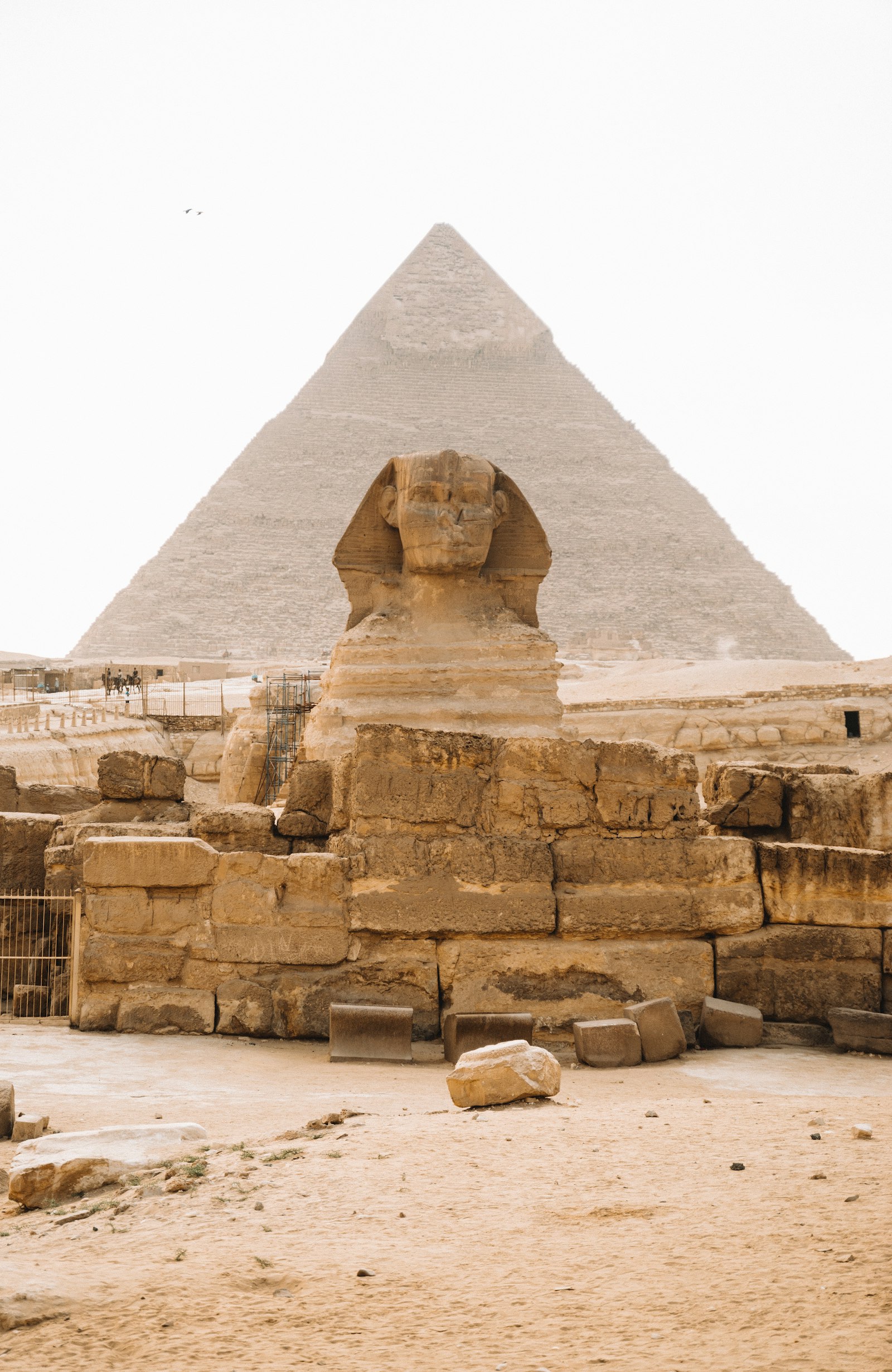
Across the Nile to the west, Giza holds the Plateau that changed human history. The three pyramids of Khufu, Khafre and Menkaure, aligned with uncanny precision to Orion's Belt, were already ancient when Cleopatra walked among them. The Grand Egyptian Museum, opened in 2025, now houses the most significant archaeological collection ever assembled in a single building — including the complete, intact treasures of Tutankhamun's tomb.
Pharaoh Narmer unifies Upper and Lower Egypt. Memphis, south of modern Giza, becomes the world's first great capital, launching the Old Kingdom dynasties that would raise the pyramids.
Pharaoh Khufu's reign produces the most audacious construction project in human history. Built by some 20,000 skilled labourers, it stands for 3,800 years as the tallest structure on earth.
Arab forces under Amr ibn al-As capture Egypt. Fustat, the precursor to modern Cairo, is established on the Nile's east bank, ushering in Egypt's Islamic era and a new chapter of architectural brilliance.
The Fatimid dynasty establishes Al-Qahira — "The Victorious." Under the Fatimids and later the Mamluks, Cairo becomes one of the largest and most intellectually vibrant cities in the medieval world.
Napoleon's expedition, accompanied by 167 scholars and artists, sparks the modern discipline of Egyptology. The discovery of the Rosetta Stone unlocks hieroglyphics, and Egypt's ancient past is reborn to the world.
The Free Officers' Revolution ends the monarchy. Cairo becomes capital of the Arab Republic of Egypt and the political and cultural heart of the Arab world, a role it has never relinquished.
01
02
03
04
05
06
07
08"The dust of Cairo is the dust of history. Every stone here has been touched by a civilisation that changed the world."Herodotus — Historian, 5th Century BCE
November is the sweet spot: brilliant sunshine at 24°C, low crowds, no khamsin dust storms. October and March are strong alternatives with comfortable warmth and clear skies.
Cairo's street-food crown jewel. A layered bowl of rice, macaroni, brown lentils and chickpeas, smothered in spiced tomato-vinegar sauce and finished with shatteringly crisp fried onions. Entire restaurants exist for nothing else.
Abou Tarek, Downtown CairoStuffed pigeon is Giza's prized delicacy. A whole squab filled with freekeh (green wheat) or spiced rice, roasted to golden perfection. Served with molokhia, it is the dish Cairenes reserve for guests of honour.
Farahat Restaurant, GizaSpiced minced beef packed inside dough and baked in a wood-fired oven until the crust shatters with each bite. Born in old-quarter Cairo bakeries. Best eaten standing, still blazing hot from the oven.
Old Quarter bakeries, Islamic CairoSauteed calf's liver fried with chilli, green peppers and a fierce spice blend, bundled into aish shamsi bread. A late-night Cairo institution served outside legendary stalls that have traded for generations.
El-Tabei el-Domyati, CairoEgypt's national dessert, born in Cairo. Layers of flaky puff pastry soaked in sweet cream and milk, studded with pistachios, almonds, raisins and coconut, baked until the top caramelises golden. Warm, rich, unforgettable.
Felfela Restaurant, DowntownCairo's beloved green soup: jute leaf mallow (mulukhiyah) simmered in a bone broth with coriander and whole heads of garlic, then swirled with a sizzling garlic-coriander tarka. Poured over rice or torn bread, it has been the city's comfort dish since the Fatimid era.
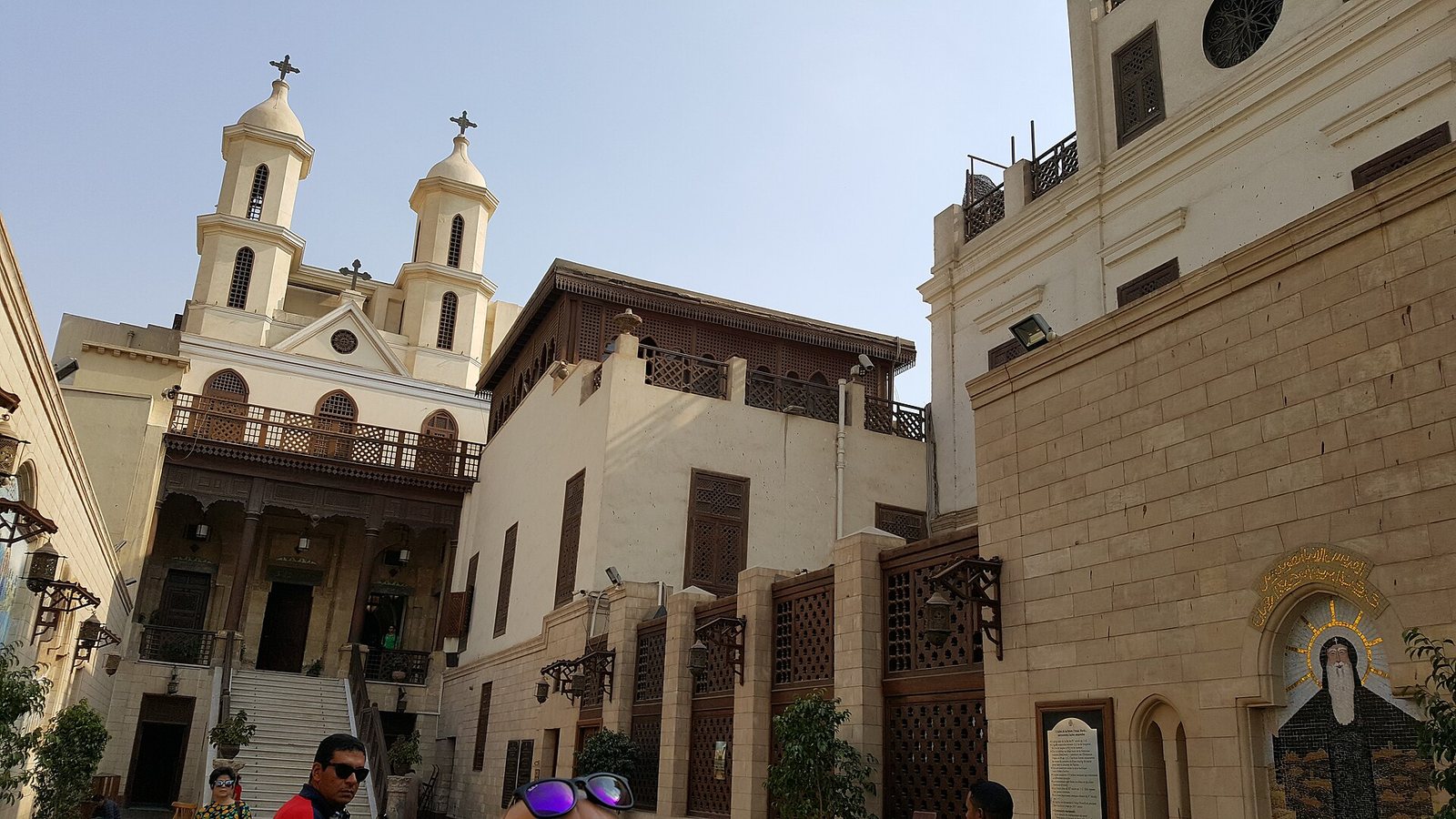
Fasahet Somaya, CairoAt mosques, cover shoulders and knees; women cover hair. Shoes are removed at entrances. Coptic churches require similar respect. Most sites provide coverings at the door at no charge.
Tipping is deeply embedded in Egyptian culture. 10–15% in restaurants; a few pounds to washroom attendants; gratuities to guides. It is a gesture of acknowledgement, not charity — and it is appreciated warmly.
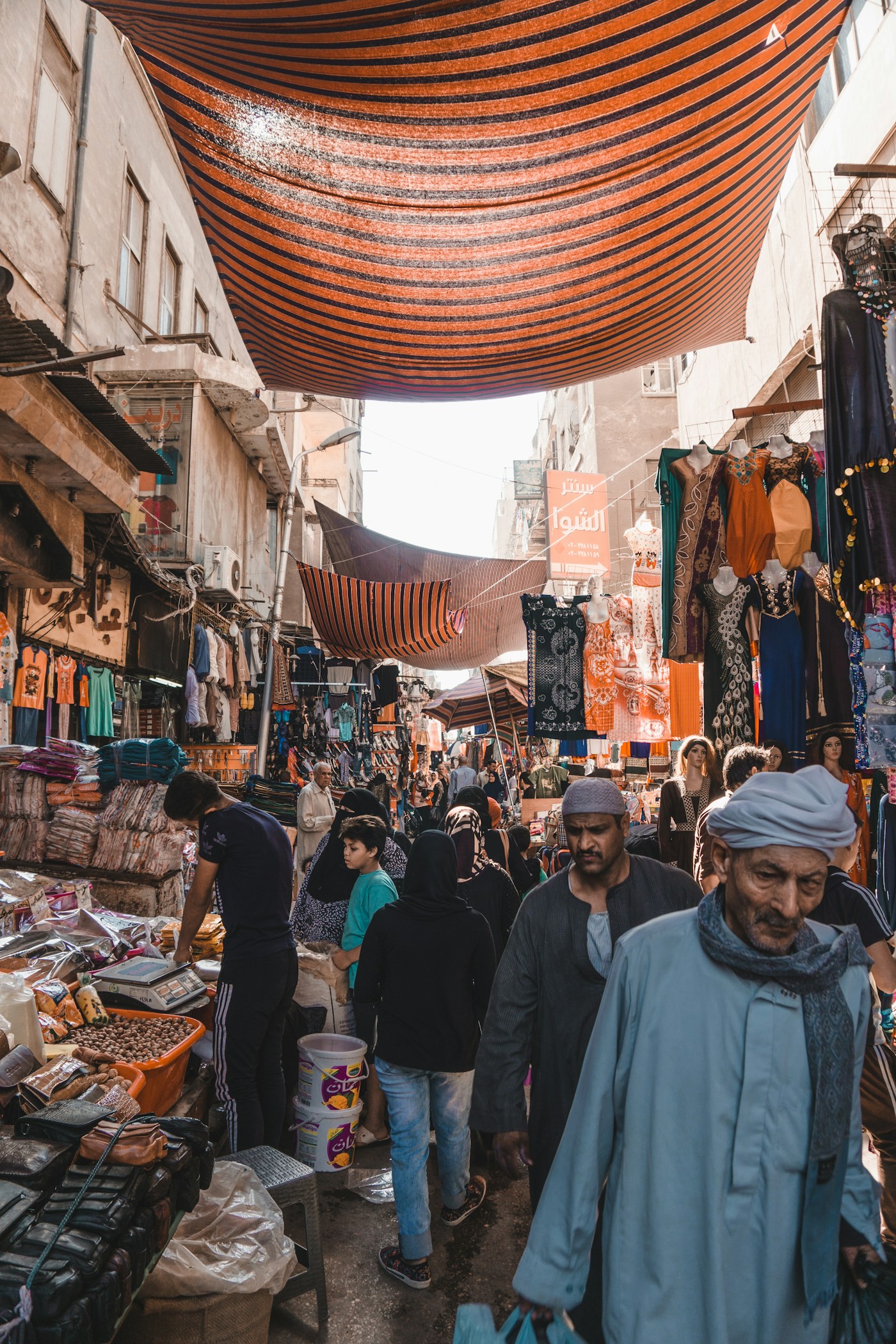
The first quoted price is rarely the final one. Haggling at the bazaar is expected theatre — take your time, accept the tea offered, and walk away slowly if the price stalls. The best offer often arrives at the door.
Arriving at the Giza Plateau gate by 7:45am — 15 minutes before opening — puts you on the plateau before the tour buses arrive. Low morning light paints the limestone gold and crowds are almost nonexistent for the first 90 minutes.
Photography is permitted across the Giza Plateau. Interior shots inside the pyramids and within the GEM require a separate ticket or may be restricted. Always ask before photographing local people — most welcome it.
Friday is the holy day; mosques fill for noon prayer and many shops close 12–2pm. During Ramadan restaurants may be closed until sunset — but Ramadan evenings in Cairo are spectacular: festive, musical, deeply communal.
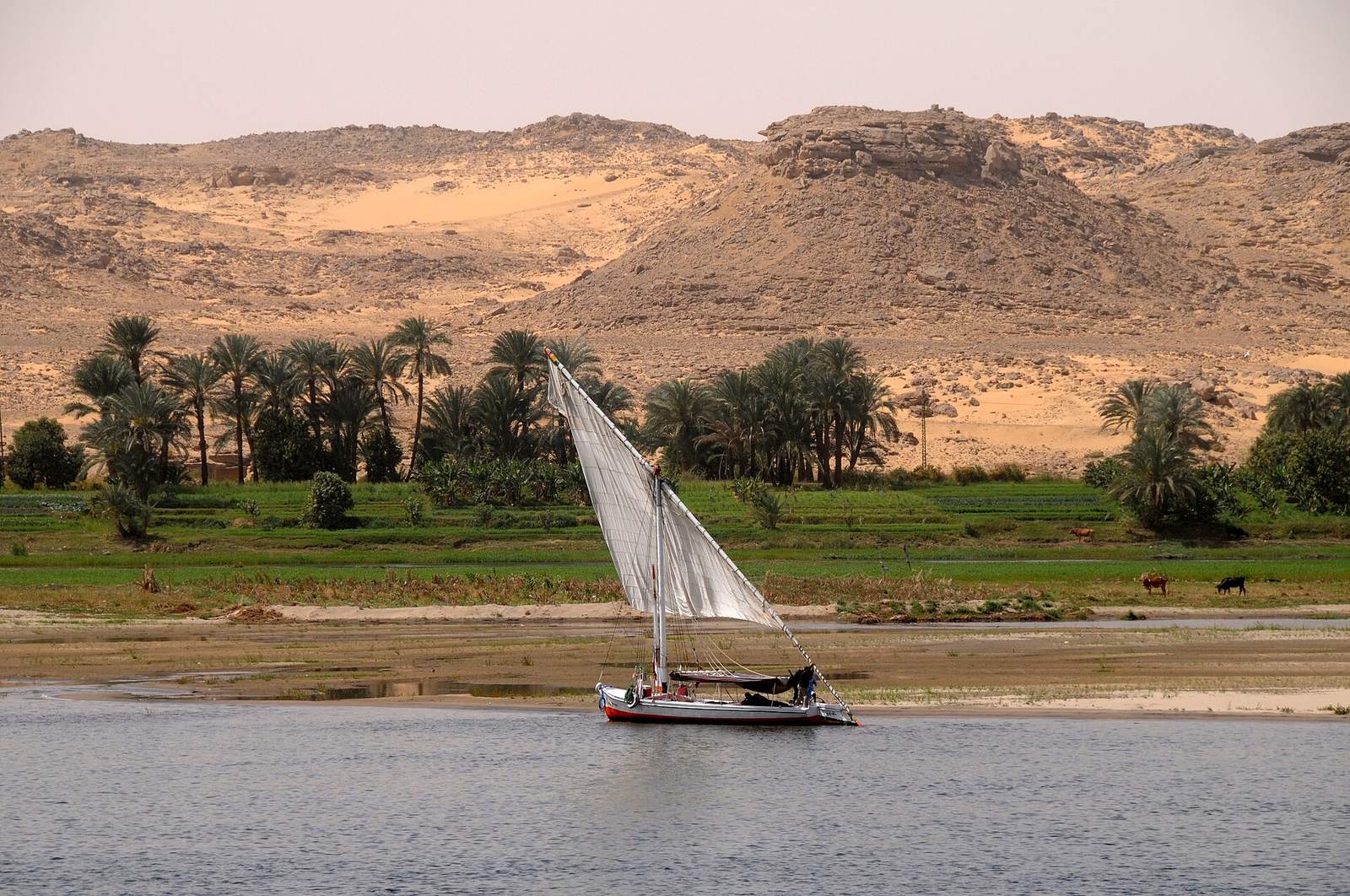
Cairo sits at 23m above sea level on the Nile's east bank, where the river valley meets the Eastern Desert. Fifteen bridges connect the city to Giza across the Nile, and the river defines life, agriculture and identity in equal measure.
Rising ~60m above the valley, the Giza Plateau is a limestone bedrock shelf on Cairo's western edge. The ancients chose this ground for permanence: above the Nile's floods, aligned to the stars, close enough to Memphis to receive the pharaoh's court.
Beyond Giza's western boundary, the Sahara Desert extends uninterrupted for thousands of kilometres. Cairo stands precisely on the line between the desert and the cultivated Nile valley — the ancient border between life and the void.
Our Cairo & Giza itineraries are built by people who know every stone of the plateau, every corridor of the GEM and every koshary stall in the medina. Let us design your perfect Egypt.