Home/Destinations/Hurghada

Red Sea's Coral Kingdom

Hurghada & the Red Sea

The Red Sea at Hurghada holds one of the most biodiverse coral ecosystems on the planet. Beneath its surface — a surface warm enough to swim year-round — lies a world of impossible colour: coral gardens, sea turtles, manta rays, and the wrecks of ships that have been trading these waters for 4,000 years.

Best Time: Year-roundRed Sea RivieraUNESCO Marine ReserveWater temp 22–30°C
250,000Population
40+Certified Dive Sites
200+Coral Species
1,100+Fish Species in the Red Sea

The Red Sea's
Living Reef

The Red Sea is one of the world's warmest, saltiest and most biodiverse seas. Hurghada sits at its heart — the gateway to a marine world that rivals the Great Barrier Reef.

Hurghada transformed from a small fishing village into Egypt's premier Red Sea resort in the 1980s and 1990s. Today it is a city of 250,000 with a 40km coastal strip of resorts. But the real Hurghada is underwater: 40 certified dive sites within day-trip distance, hosting corals, pelagic fish, sea turtles, dolphins, reef sharks and the occasional whale shark.

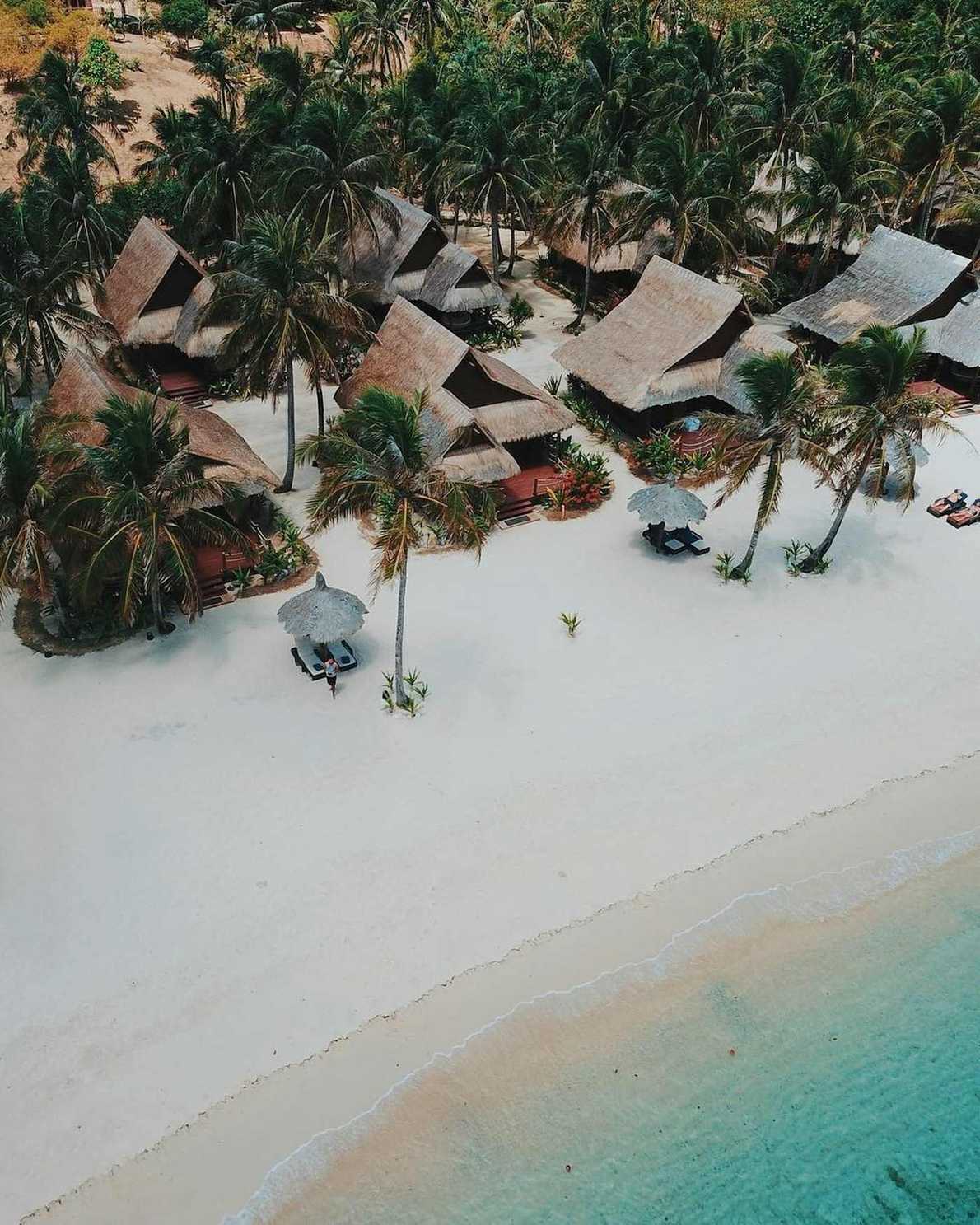
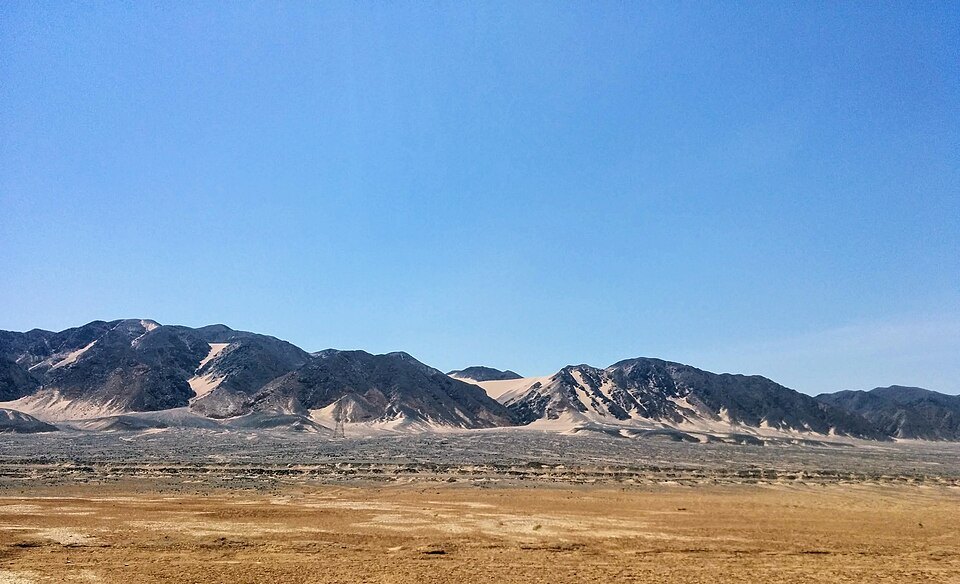
Beyond the reefs, Hurghada is the jumping-off point for Giftun Island National Park, the upscale resort town of El Gouna (built on an island network 20km north), and the Red Sea mountains whose red-pink granite peaks form the dramatic desert backdrop behind the coastal strip.
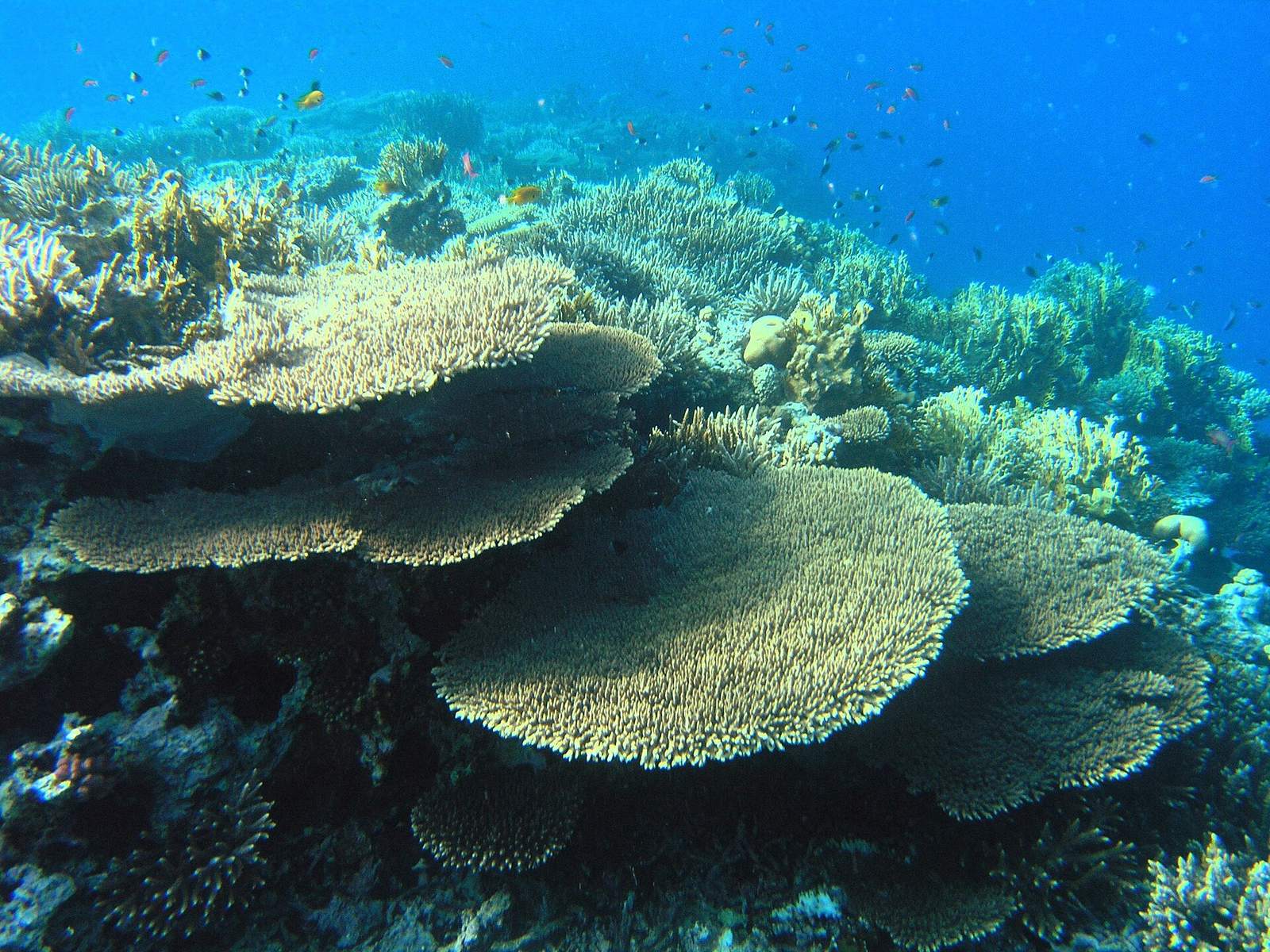
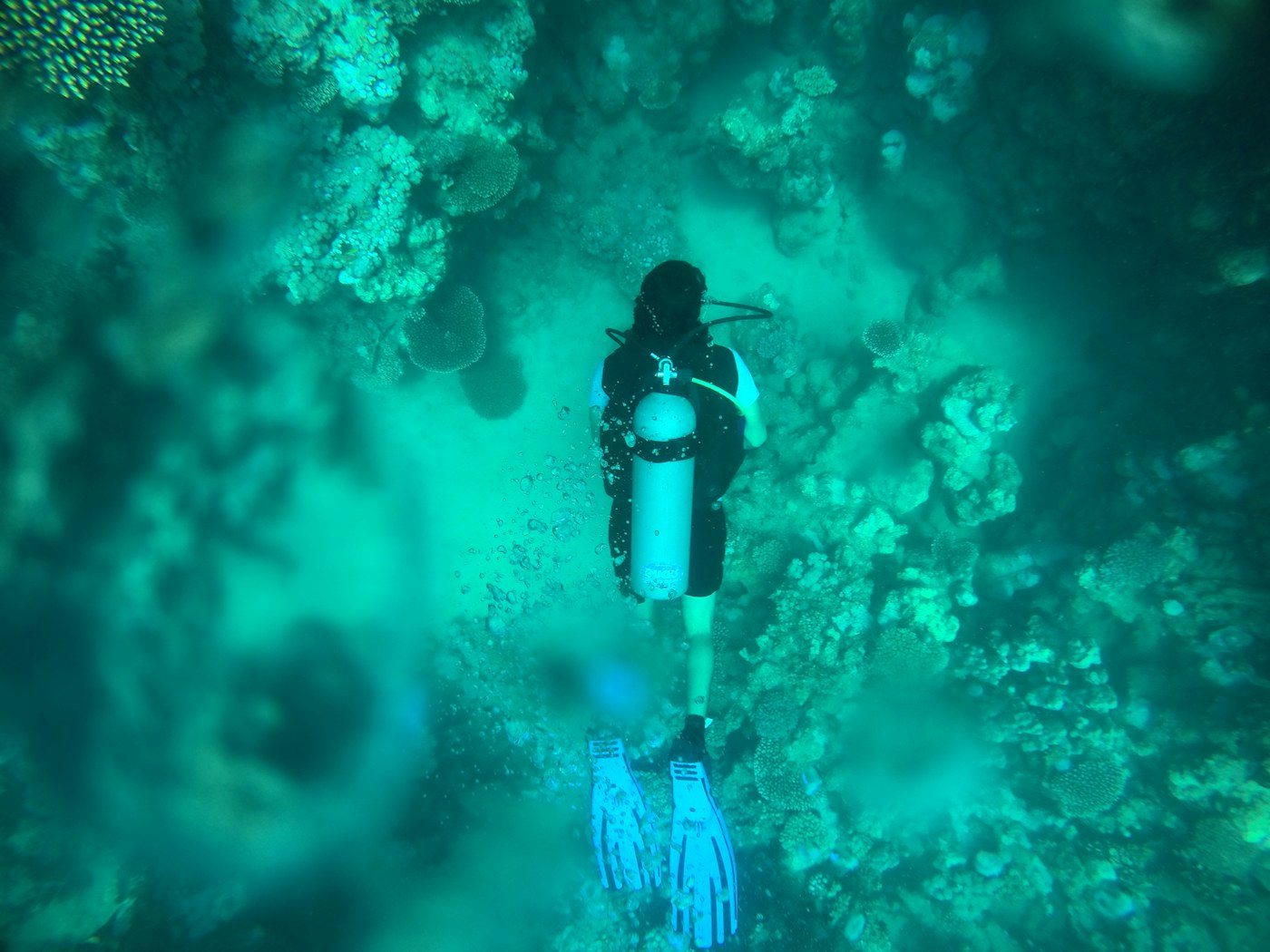
Coral reef in the Red Sea near Hurghada

Four Millennia of
Red Sea History

  • c. 2000 BCE

    Ancient Red Sea Trade Routes

    The Pharaohs use the Red Sea coast to launch expeditions to Punt (modern-day Somalia/Eritrea) for incense, gold, ivory and myrrh. The ancient port of Mersa Gawasis, near modern Hurghada, has been dated to the Middle Kingdom.

  • 100 CE

    Roman Red Sea Commerce

    Under Roman rule, the Red Sea becomes the busiest trading artery in the ancient world — linking Rome to India and East Africa. The port of Berenice, 200km south of Hurghada, handles spices, silk, cotton and precious stones.

  • 1800s

    Pearl Diving & Fishing

    Hurghada exists as a small Bedouin fishing settlement. Its fishermen dive for pearls and fish the abundant reefs using traditional methods unchanged for centuries.

  • 1913

    Hurghada's Oil Discovery

    The first oil well is drilled near Hurghada, beginning a period of industrial activity that coexists uneasily with the area's natural beauty.

  • 1980s

    The Resort Revolution

    Egypt opens Hurghada to international tourism development. European charter flights begin. The city explodes from a village to a resort strip within a decade.

  • 2000s

    Marine Conservation

    Giftun Island National Park is established. Dive operators and conservationists work together to establish Egypt's first coral reef protection programmes, as global warming and tourism begin to pressure the ecosystem.

Eight Wonders of
Hurghada & the Red Sea

Giftun Island National Park reef01
National Marine Park

Giftun Island National Park

The twin islands of Giftun sit 7km offshore and are surrounded by some of the finest reefs in the Red Sea. Snorkelling from the beach reveals gardens of staghorn coral, parrotfish, barracuda and sea turtles within metres of the shore. Day trips by speedboat take 20 minutes. Camping on the island is possible with a permit.

Shaab Abu Nuhas wreck reef underwater diving Red Sea02
World-Class Dive Site

Shaab Abu Nuhas (Wreck Reef)

Four shipwrecks in one location — the SS Giannis D, Carnatic, Chrisoula K and Kimon M — lying in 20–30 metres, encrusted with coral and teeming with lionfish, grouper and glassfish. One of the world's top wreck diving destinations, accessible year-round.

El Gouna resort town canals and waterways Red Sea03
Luxury Island Town

El Gouna

Built on 10 interconnected islands 20km north of Hurghada, El Gouna is a self-contained resort town of extraordinary quality — beautiful architecture, boutique hotels, independent restaurants, a hospital, an international school and a lagoon system for kitesurfing. The Red Sea's most sophisticated address.

Dolphin House Shaab el-Erg wild dolphins Red Sea04
Marine Encounter

Dolphin House (Shaab el-Erg)

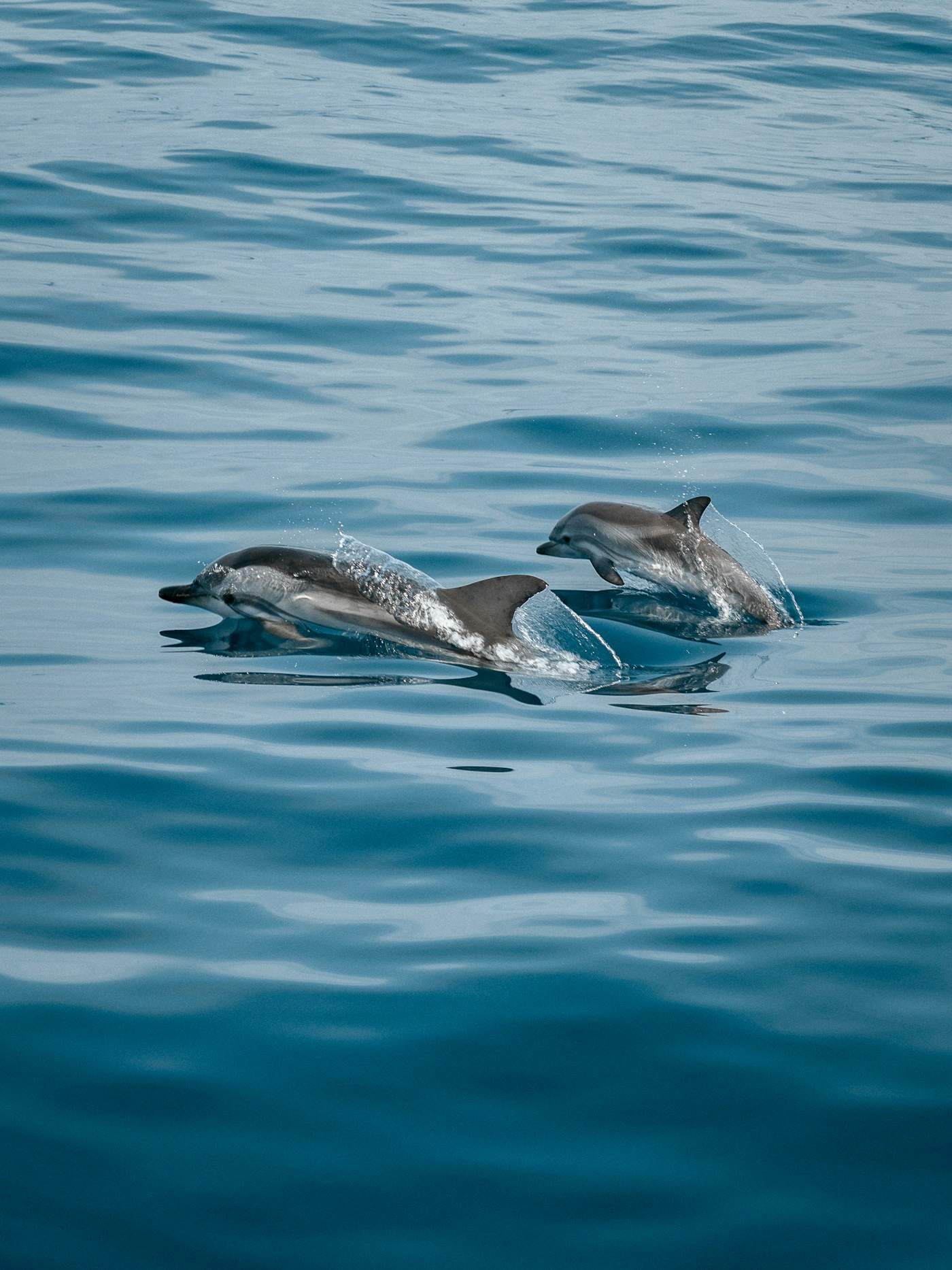
A reef system 25km from Hurghada that is home to a resident pod of spinner dolphins. Morning snorkel trips arrive to find 50–100 dolphins riding the boat wake and spiralling above the coral. One of the most joyful wildlife experiences in Egypt.

Makadi Bay coastline along the Red Sea05
Desert Coast

Makadi Bay & Soma Bay

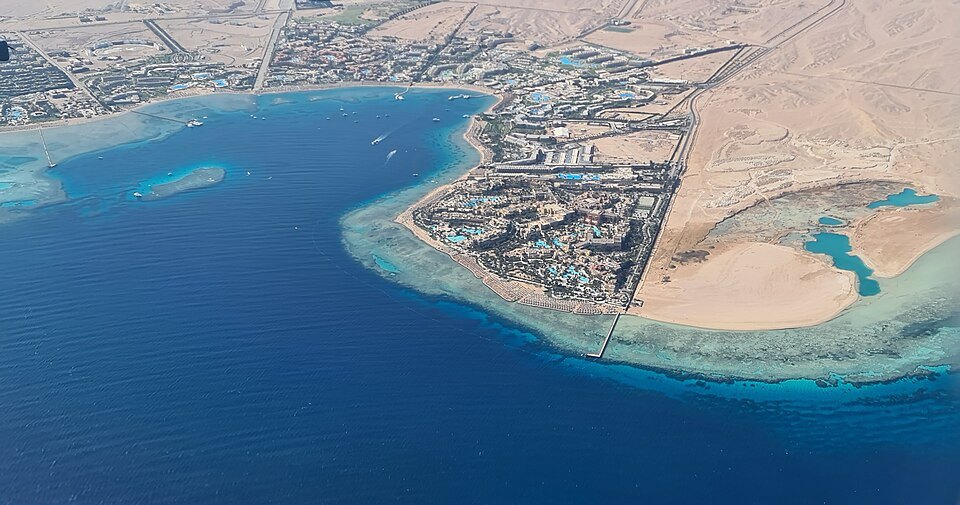
South of Hurghada, the coast curves into a series of spectacular bays — Makadi, Sahl Hasheesh and Soma Bay — where the reef begins within metres of the shore and the desert mountains form a backdrop of extraordinary drama. Soma Bay's peninsula is the finest place in Egypt for kitesurfing and windsurfing.

Paradise and Fanadir Reefs coral gardens Red Sea06
Underwater Discovery

The Paradise & Fanadir Reefs

Within easy day-trip distance, Paradise Reef and El Fanadir offer some of the best drift diving in the Red Sea — moving with the current through coral tunnels and over garden terraces at 15–25 metres, past Napoleon wrasse, moray eels and schools of anthias that cloud the water in pink and orange.

Red Sea Mountains and desert wadi landscape07
Desert Exploration

Red Sea Mountains & Wadi Hammamat

Behind Hurghada's coastal strip, the Eastern Desert rises into red and pink granite mountains. Wadi Hammamat, 150km inland, contains ancient Egyptian graffiti and rock art spanning 5,000 years of desert travel. Jeep safaris into the wadis, stopping at Bedouin camps for tea, are among the region's most underrated experiences.

Hurghada's Old Town Dahar traditional market streets08
Traditional Village

Hurghada's Old Town (Dahar)

Before the resorts, there was Dahar — Hurghada's original town, with its market, mosques, Bedouin jewellery sellers and the small fishing harbour where boats still go out at dawn. The contrast with the resort strip is complete. A two-hour walk through Dahar is a reminder of what the Red Sea coast was before tourism arrived.

“There is no sea on earth quite like the Red Sea. Its colour, its warmth, its life — it is in a category of its own.”
Jacques Cousteau — oceanographer

When to Visit
Hurghada

21°
Jan
23°
Feb
27°
Mar
31°
Apr
35°
May
38°
Jun
39°
Jul
39°
Aug
36°
Sep
31°
Oct
26°
Nov
22°
Dec
Best months (Oct – Apr)
Shoulder season
Peak heat — avoid midday

October to April is outstanding. March and November hit the sweet spot — warm sea (24–26°C), air temps of 27–31°C, and the long days that make early morning reef snorkelling before the dive boats arrive an almost private experience.

Hurghada Climate at a Glance
Winter (Dec–Feb)21–24°C
Spring (Mar–May)27–35°C
Summer (Jun–Aug)37–40°C
Autumn (Sep–Nov)26–36°C
Annual Rainfall~2mm
Sea Temp22–30°C
Time ZoneUTC+2

What Hurghada
Tastes Like

01

Sayadeya Hamour

صيادية هامور

The Red Sea grouper (Hamour) is the king fish of Hurghada. Baked whole over caramelised onion rice with cumin, coriander and fresh tomato, then finished with a rich golden onion broth poured tableside. The best version is eaten at a quayside restaurant watching the boats return at dusk.

Fish Market Restaurant, Old Town Harbour
02

Sultan Ibrahim Mashwi

سلطان ابراهيم مشوي

Red mullet from the Red Sea, grilled over charcoal until the skin crackles. One of the sweetest, most delicate fish in the sea. Served whole with tahini, lemon, bread and a pile of fresh salad. The fish that Hurghada's fishermen eat themselves.

El-Azayem Fish Restaurant, Dahar
03

Samak Tagin bil Khudra

سمك طاجن بالخضرة

Red Sea catch (usually sea bass or sea bream) slow-baked in a clay pot with tomatoes, green peppers, garlic, cumin and olive oil until the fish falls off the bone and the vegetables melt into a rich sauce. The dish of Hurghada's old fishing families.

Traditional restaurants, Dahar district
04

Gambari Mashwi

قمبري مشوي

Red Sea prawns, split and grilled over charcoal with garlic butter, lemon and a dusting of paprika. The prawns here are large, sweet and fresh-from-the-sea. Eaten with your hands, with bread to mop up the butter. Best ordered by weight at the harbour-side stalls.

Port Said Seafood, Marina Boulevard
05

Kofta bil Samak

كفتة بالسمك

A Hurghada-specific invention: minced white fish (typically sole or sea bass) mixed with onion, parsley, cumin and coriander, formed into kofta-shaped cylinders and grilled or fried. Served with tahini and pickles. A clever coastal adaptation of an inland classic.

Bedouin Fishermen's Table, El Gouna
06

Fattouche Ahmar

فتوش أحمر

The Red Sea coast's salad: lettuce, tomato, cucumber, radish and crisp fried bread pieces, but dressed with pomegranate molasses and sumac instead of lemon, giving it a distinctly tart, jewel-red character that pairs perfectly with fresh grilled fish.

Most quality seafood restaurants, Marina area

Culture, Customs
& Practical Tips

Respect the Reef

The Red Sea coral is fragile and under pressure. Never stand on coral, touch sea creatures or take shells. Choose dive operators who practise responsible diving. The reef that exists today is the result of decades of conservation effort.

Two-Resort System

Hurghada has two distinct zones: the resort strip (El Mamsha promenade) and the old town (Dahar). The resort strip is international in character. Dahar is conservative Egyptian. Dress accordingly when you move between them.

Best Dive Operators

Choose PADI-certified operators with small-group policies and reef-safe sunscreen requirements. The best operators in Hurghada are Subex, Emperor Divers and Diving World. Book in advance in high season (Dec–Feb).

Underwater Photography

A GoPro or an entry-level underwater camera transforms the reef experience. Rent one from your dive operator if you don't own one. The best light for underwater photography is 10am–2pm. Lionfish, nudibranchs and octopus are the patience-rewarding subjects.

Day Trips from Hurghada

Luxor is 3.5 hours by road or 45 minutes by air. The combination of Hurghada reef diving and a Luxor day trip covers two of Egypt's greatest experiences in one itinerary. Flights between Hurghada and Luxor are inexpensive and frequent.

El Gouna vs. Hurghada

El Gouna is quieter, more architecturally beautiful and more expensive. Hurghada is livelier, with more restaurants and budget options. Most visitors stay in Hurghada but taxi to El Gouna (30 minutes) for a night out. The lagoon in El Gouna is the better kitesurfing and paddleboarding location.

The Land of
Hurghada & the Red Sea

🌞

Red Sea Geology

The Red Sea is a young ocean — it began forming about 30 million years ago as the African and Arabian plates separated. Its narrow, deep basin (maximum depth 3,040m) combined with high evaporation creates salinity levels 30% higher than the Atlantic, which contributes to the extraordinary clarity of the water.

🏔

Eastern Desert Mountains

The Red Sea Mountains rise immediately behind the coast, reaching 2,187 metres at Gebel Shayib al-Banat. The range runs parallel to the coast for 1,200km. The wadis (dry riverbeds) that cut through them are ancient Bedouin routes and still contain acacia trees, desert foxes and the occasional ibex.

🌊

The Coral Reef System

Hurghada sits within the largest fringing reef system in the northern Red Sea. The reefs run continuously for hundreds of kilometres, rarely more than a kilometre offshore. Water visibility regularly exceeds 30 metres, and water temperatures never fall below 20°C even in winter.

Hurghada
on the Map

HURGHADA
Begin Your Journey

Ready to Dive
the Red Sea?

Our Red Sea itineraries are designed for the underwater. Private sunrise reef snorkels before the boats arrive, liveaboard dive expeditions to the outer reefs, Giftun Island camping, and El Gouna evenings that make the whole trip worthwhile.