Home/Destinations/Luxor & Aswan
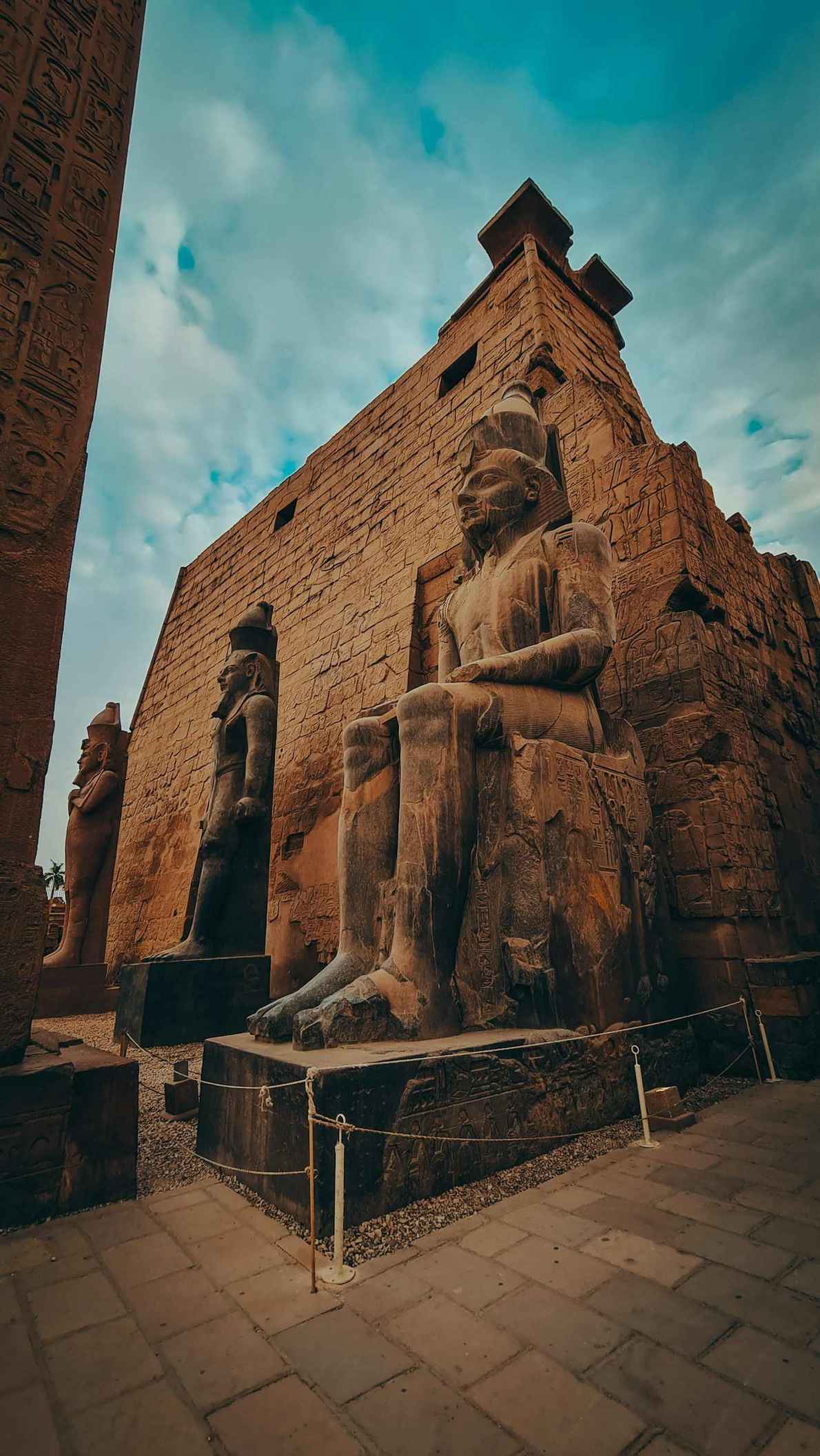
No city on earth is as saturated with antiquity as Luxor. Ancient Thebes — capital of Egypt at the height of its power — left behind so many temples, tombs and monuments that the city itself is an archaeological site. Aswan, 215km south, adds the serenity of the Nile at its most beautiful.
Luxor holds more than one-third of all the world's ancient monuments. To walk through it is to move through 4,000 years of history with every step.
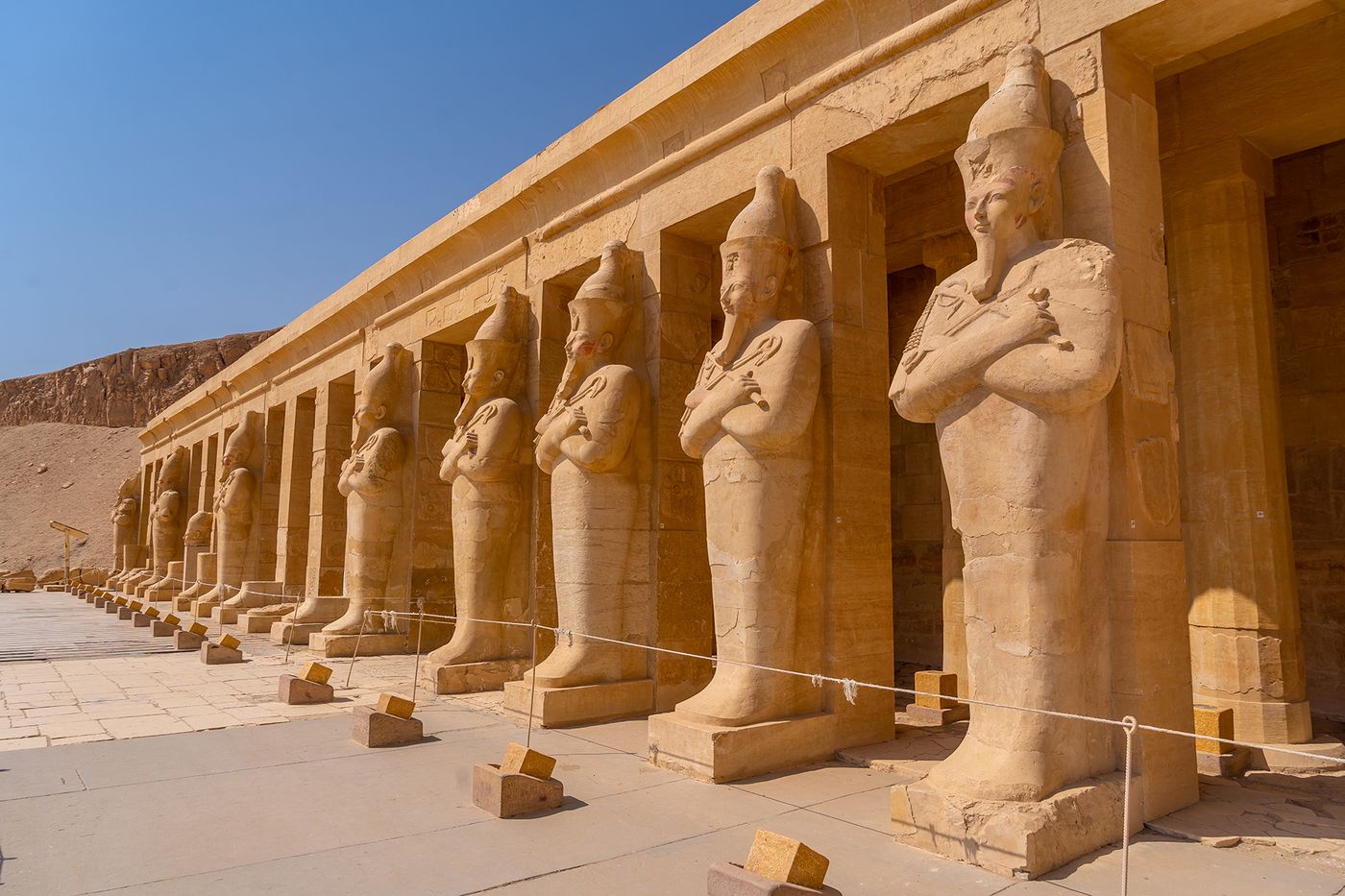
Ancient Thebes was the religious and political capital of Egypt during the New Kingdom (1550–1070 BCE), the period that produced Tutankhamun, Ramesses II and Hatshepsut. The Nile divided the living (east bank, temples) from the dead (west bank, tombs). This division still defines the city today.
Aswan was the ancient border between Egypt and Nubia, a trading post where gold, ivory and spices flowed north. Today it is Egypt's most serene and beautiful Nile city — slower, warmer, with a strong Nubian culture and the turquoise water of the First Cataract.
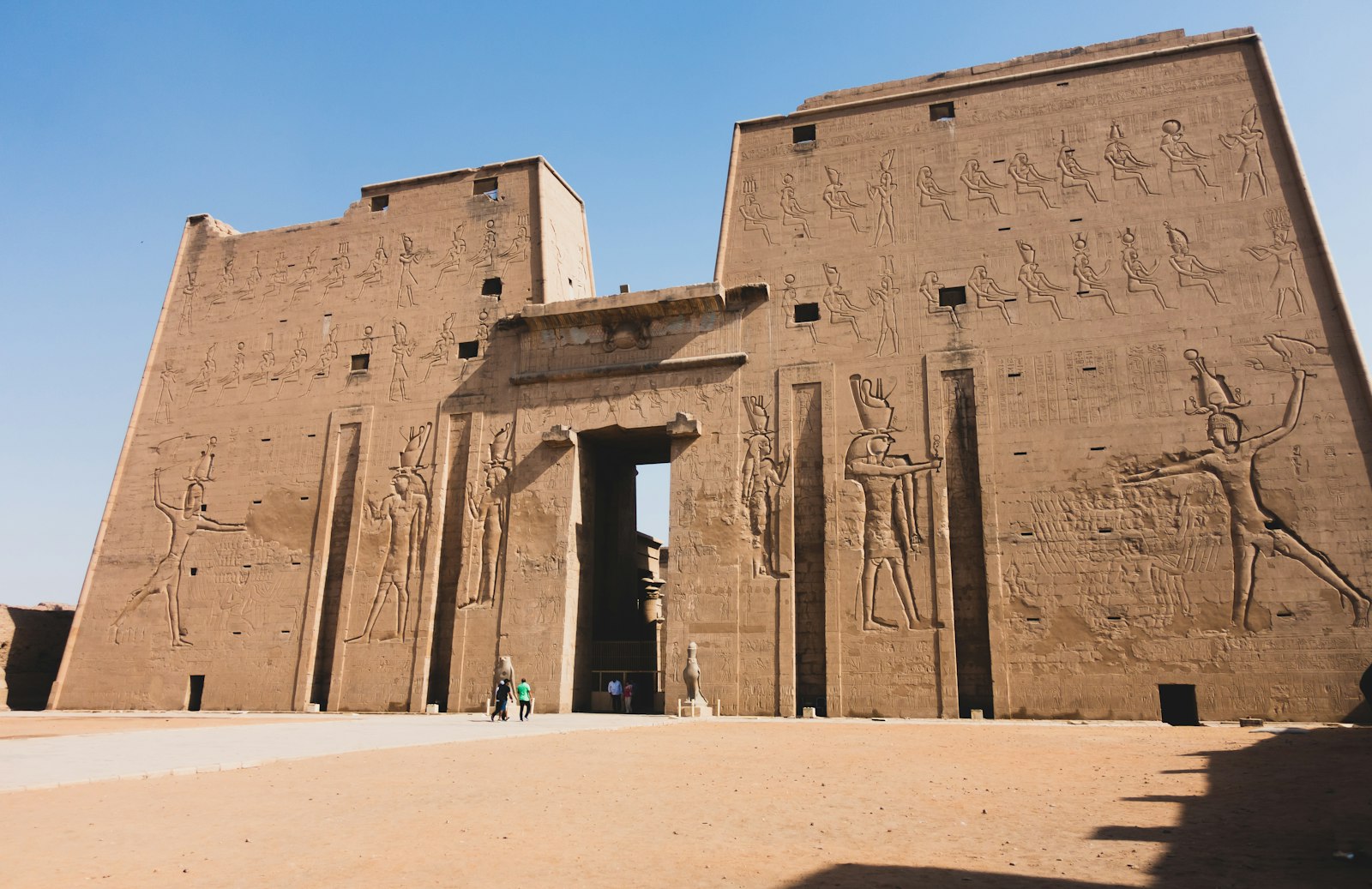
The 11th Dynasty pharaohs elevate Thebes to the capital of a reunified Egypt. The city grows rapidly as the religious centre of the Amun cult, laying the foundations of Karnak.
Under the 18th Dynasty pharaohs — Hatshepsut, Thutmose III, Amenhotep III — Thebes becomes the most magnificent city on earth. Karnak and Luxor temples reach their peak grandeur.
Egypt's most prolific builder reigns for 66 years. Abu Simbel, built to impress (and intimidate) Nubia, is his greatest monument. His name appears on more monuments than any other pharaoh.
Cleopatra's death ends the Ptolemaic dynasty. Roman emperors continue to build temples in the Egyptian style; Luxor temple is incorporated into a Roman military fort.
The name Al-Uqsur ("The Palaces") gives the modern city its name. The temple complexes are partially buried under centuries of accumulated settlement.
Napoleon's scholars document Thebes for the first time in modern history. Champollion deciphers hieroglyphics in 1822. The great excavations begin, establishing Luxor as the centre of world Egyptology.
01
02
03
04
05
06
07
08"To have seen Karnak is to have seen the most astonishing thing that human hands have ever created."Gustave Flaubert — 1850
November through February is the only comfortable window. January at 22°C is sublime — cool mornings, warm afternoons, crystalline skies. Book accommodation many months ahead for Christmas and New Year.
The Upper Egyptian (Saeedi) version of fattah is the heartiest: layers of toasted bread soaked in lamb broth, topped with slow-cooked rice and chunks of braised lamb shank, finished with a sharp garlic-vinegar sauce. The dish of celebration in Luxor.
El-Hussein Restaurant, Luxor East BankOkra slow-cooked in lamb or beef broth with tomato, onion and coriander until silky and deeply savoury. An Upper Egyptian staple, it bears no resemblance to the mushy versions found elsewhere. Served over rice.
Local homes and traditional restaurants, West BankIn Aswan, tagines are cooked in clay pots over embers. The Nubian version uses goat or lamb with dried apricots, dates, raisins, onion and Nile spices in proportions that tip the dish into something between savoury and sweet.
Nubian House Restaurant, AswanAswan grows the finest hibiscus flowers in the world. Karkade, deep crimson hibiscus tea drunk either hot or chilled, is Aswan's signature drink — tart, floral, rich in antioxidants and served with pride in every tea house along the corniche.
Every tea house in Aswan CornicheThe Upper Egyptian fisherman's rice: Nile perch or tilapia fried crisp and served on caramelised onion rice with cumin and turmeric. The fish of the Nile, plated with the directness of river people.
Nile fish restaurants, Luxor cornicheA flaky, layered bread unique to Upper Egypt and Nubia, made by folding ghee-brushed layers of dough and baking them until shatteringly crisp on the outside and soft within. Eaten at breakfast with honey, white cheese or ful.
Morning bakeries, Aswan soukIn Luxor, arriving at the Valley of the Kings by 6:00am puts you inside the tombs before the tour groups and before the temperature becomes a factor. By 10am in summer, the plateau is brutal. By 6am, it is magnificent.
The east bank is for the living (hotels, restaurants, Luxor and Karnak temples). The west bank is for the dead (Valley of the Kings, Hatshepsut's temple, Colossi). Budget a full day for each. A bicycle is the best way to explore the west bank villages.
Nubian culture is distinctly warmer and more relaxed than northern Egypt. Accept any invitation to tea. Remove shoes before entering homes. Nubians are proud of their culture and deeply welcoming to visitors who show genuine curiosity.
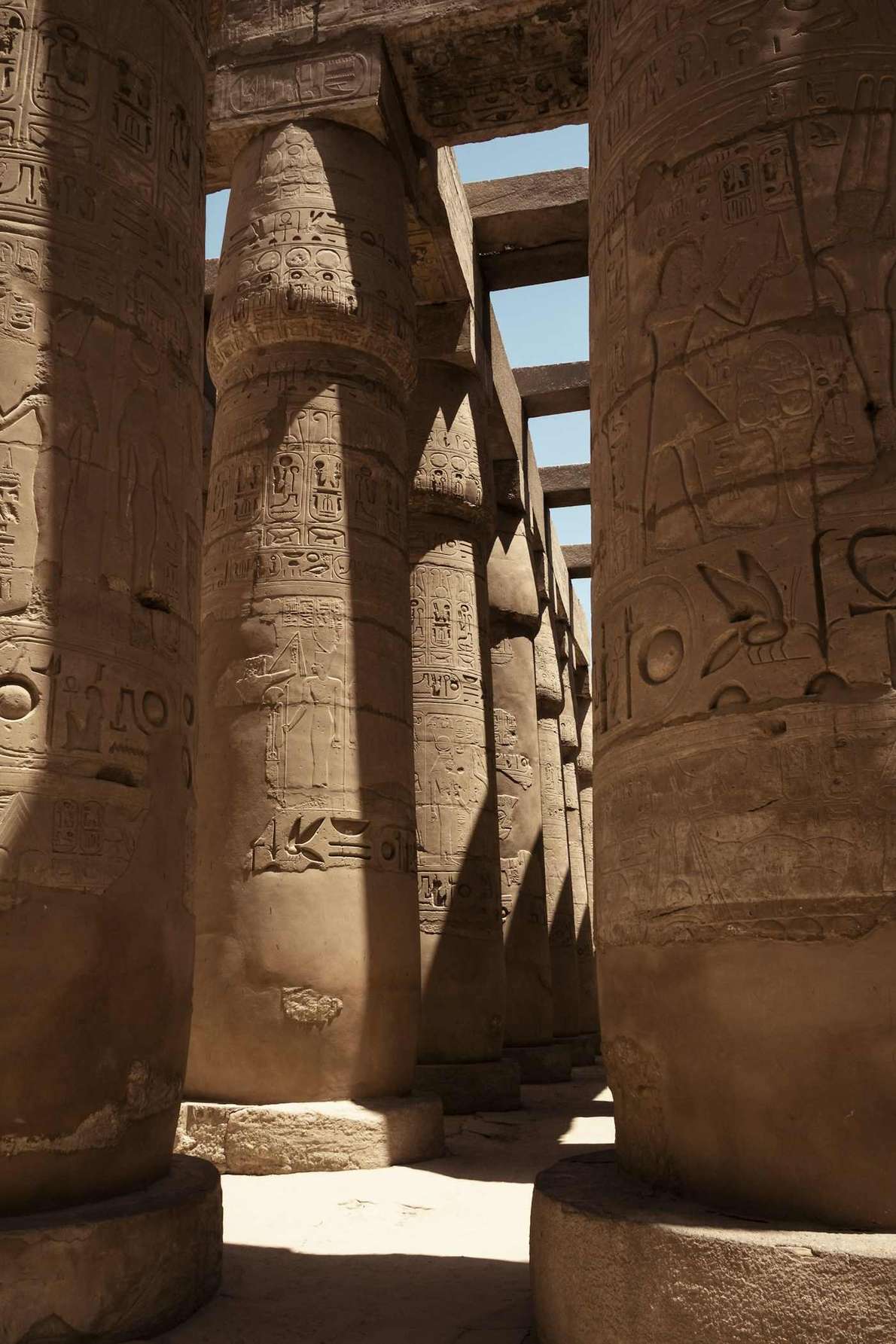
The Hypostyle Hall photographs best at dawn when shafts of light cut between the columns. A tripod is permitted. The sacred lake reflects the columns at blue hour. Do not photograph guards or staff without asking.
Both Karnak and Philae (Aswan) have nightly sound and light shows that are genuinely atmospheric, especially Philae whose island setting makes it magical. Check the schedule at your hotel — shows are in different languages on different nights.
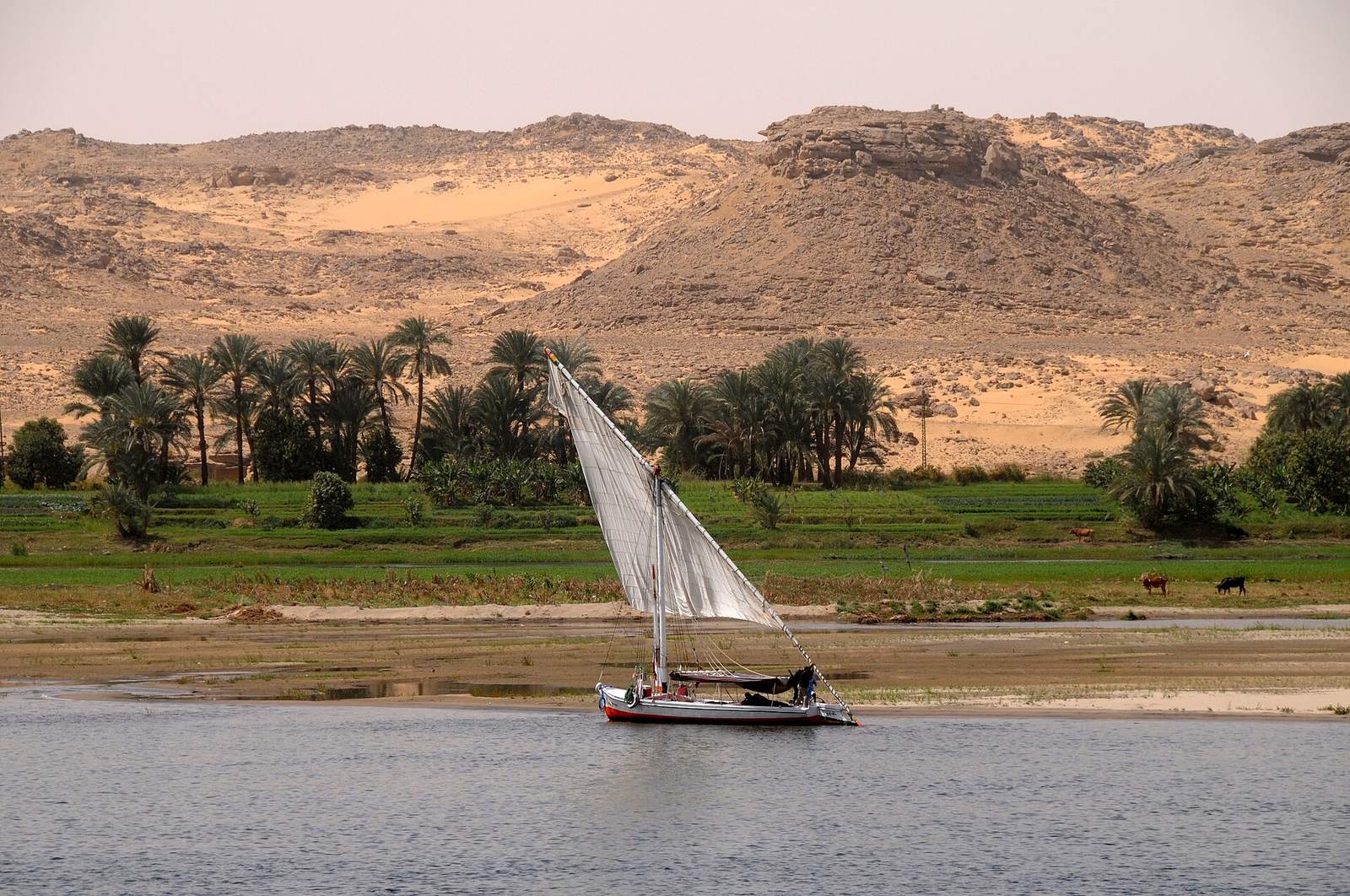
A two-day felucca trip between Aswan and Kom Ombo is one of the finest low-impact travel experiences in Egypt. Sleep on deck under a net of stars. Bring provisions from Aswan market. The silence of the Nile at night is absolute.
At Luxor and Aswan, the Nile valley is at its narrowest. The desert cliffs press close on both sides — the Eastern Desert and the Western Desert (Sahara). This constriction created ideal conditions for the ancient Egyptians: rich farmland in the narrow flood plain, impenetrable desert beyond.
At Aswan, the Nile meets the ancient granite bedrock of the African Shield, creating the First Cataract — a series of rapids and granite islands that formed the natural southern border of ancient Egypt. Today, Lake Nasser (created by the High Dam) extends 550km into Sudan.
The West Bank's Valley of the Kings sits in a natural amphitheatre of limestone cliffs, chosen by the pharaohs because the pyramid-shaped peak (Al-Qurn) that dominates the valley resembles a natural pyramid. The rock's quality — fine-grained limestone — was ideal for cutting tombs.
Our Luxor and Aswan journeys are built around the moments that stop you in your tracks: standing alone in a pharaoh's tomb at dawn, sailing the First Cataract at sunset, watching the sun enter Abu Simbel's inner sanctuary.