The Pyramids at dawn, then the Black Desert, Crystal Mountain and the White Desert's chalk formations under a billion stars. Egypt without the postcards.
6Days
WhiteDesert
JeepSafari
StargazingCamp
Your Journey Route
𓇳
Cairo
2 Nights · Giza
𓅃
Bahariya Oasis
Golden Mummies
𓋴
Black Desert
Volcanic Cones
𓁹
White Desert
1 Night Camp
𓇳
Cairo
Return & Departure
Trip Overview
Beyond the Monuments into the Desert
South of Cairo, the landscape transforms from Nile Delta to volcanic rock and then to the chalky wind-carved wilderness of the White Desert, one of the world's most visually striking natural environments. This six-day itinerary layers Cairo's Pharaonic heavyweight sites with a full desert circuit: the Black Desert's volcanic cones, Crystal Mountain's quartz outcrop, the Valley of the Golden Mummies at Bahria Oasis, and a night camping among the mushroom-shaped chalk monoliths of the White Desert. For travellers who want both the temples and the terrain.
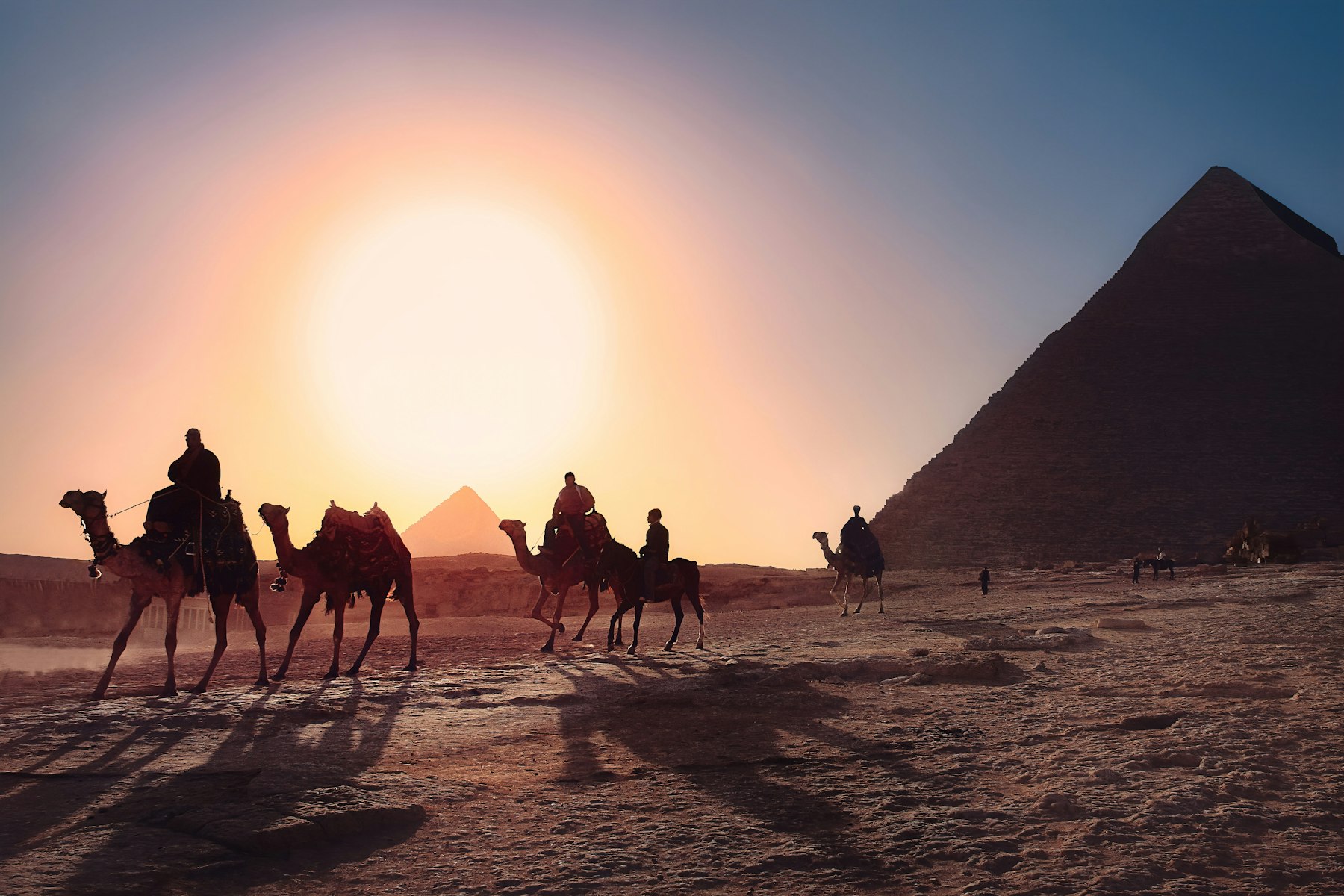
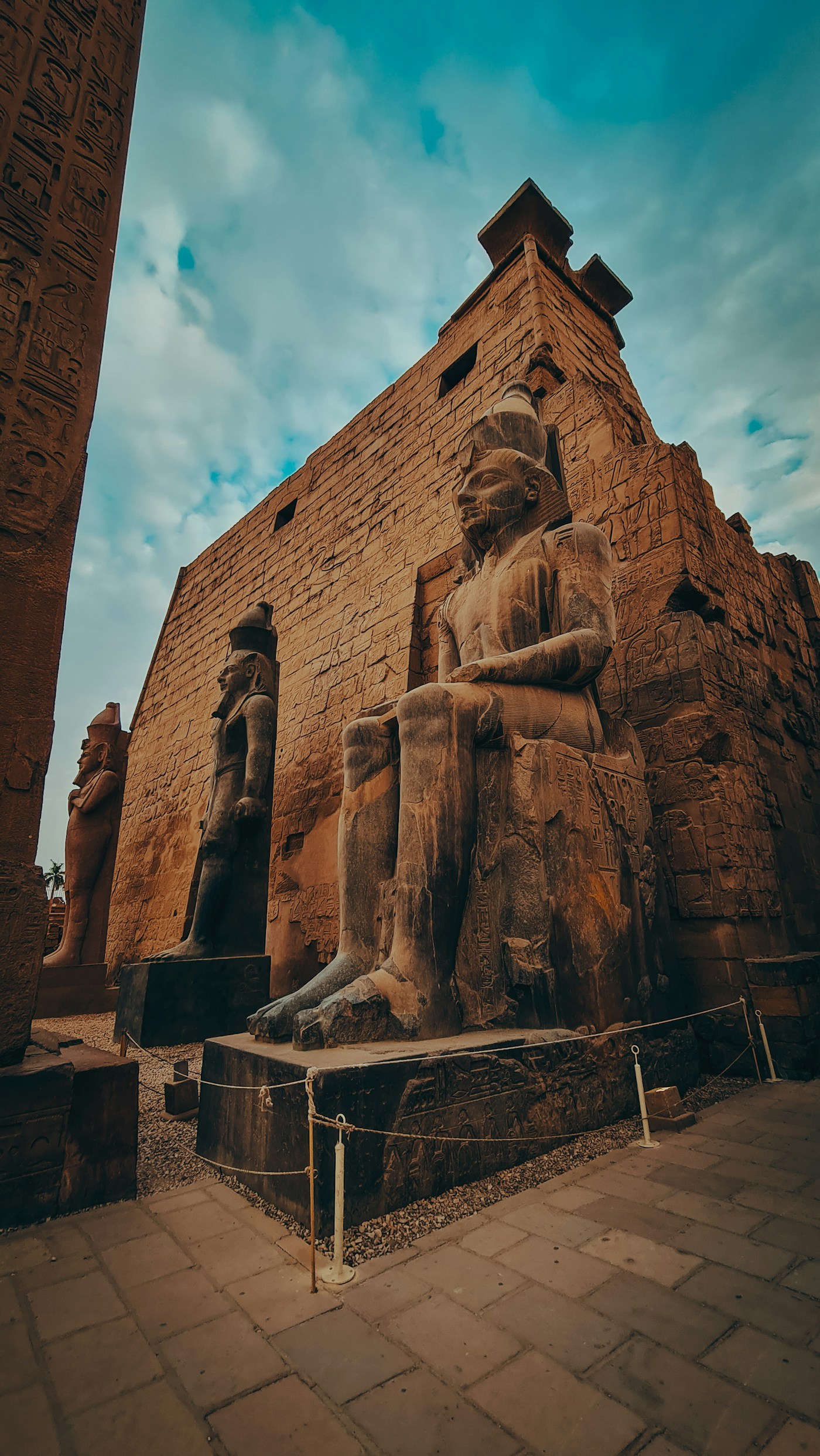
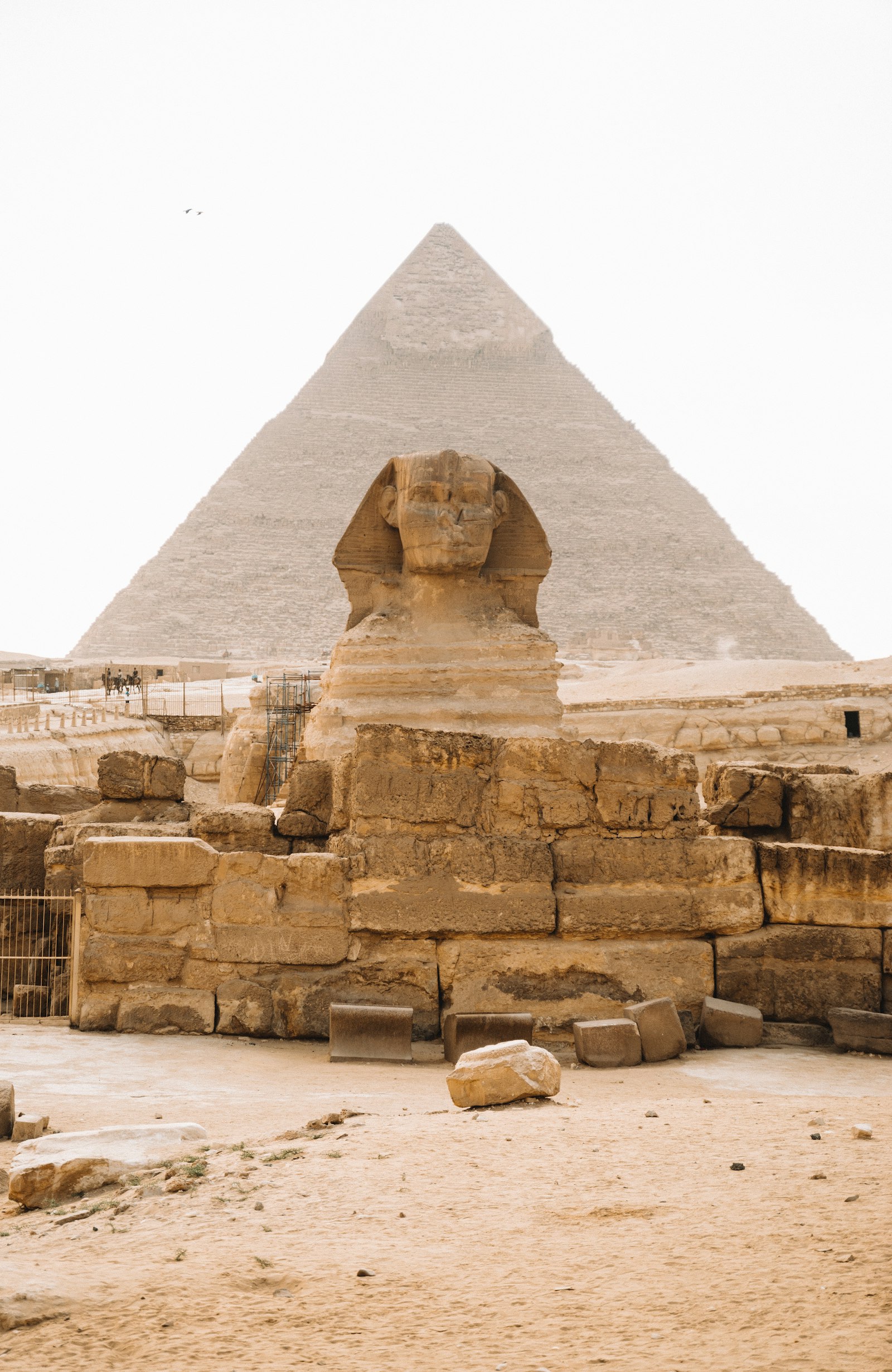
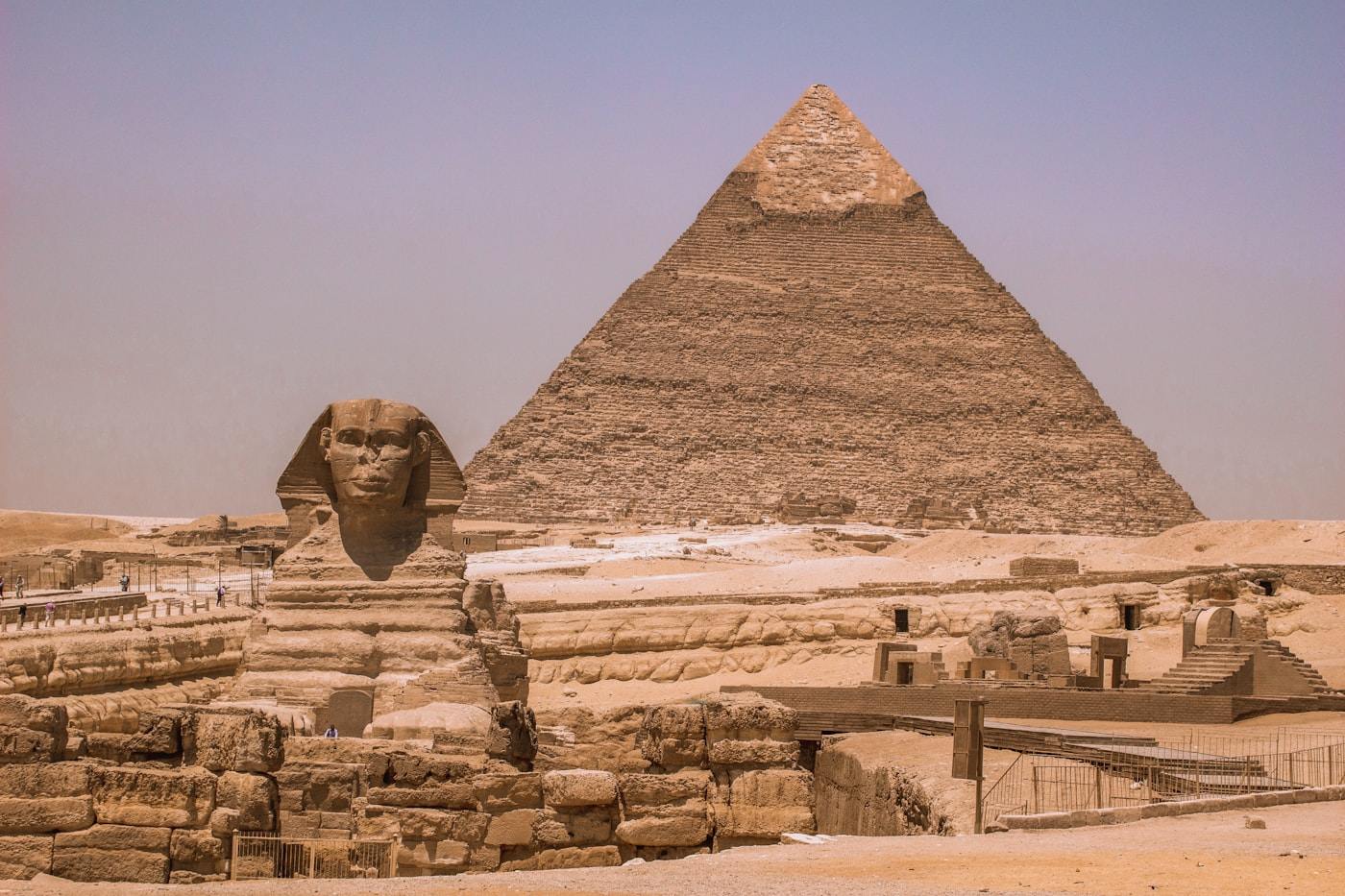
Giza Pyramids, Sphinx and Grand Egyptian Museum
Black Desert: volcanic black-rock cones rising from the sand
Crystal Mountain: a quartz-encrusted ridge catching the morning light
Bahria Oasis: Valley of the Golden Mummies (Greco-Roman gold-leaf mummies)
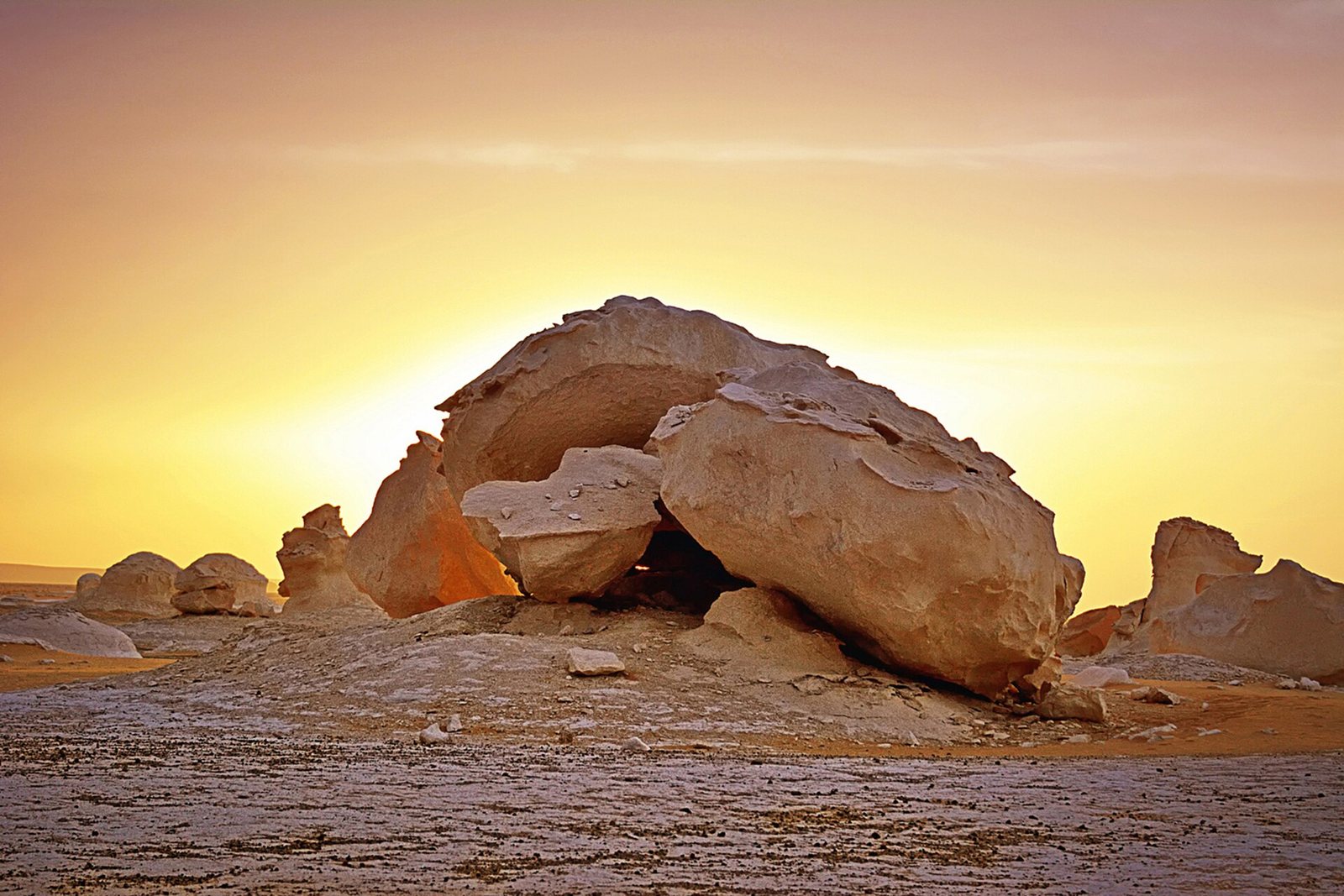
White Desert camping: chalk formations shaped by wind, dinner under stars
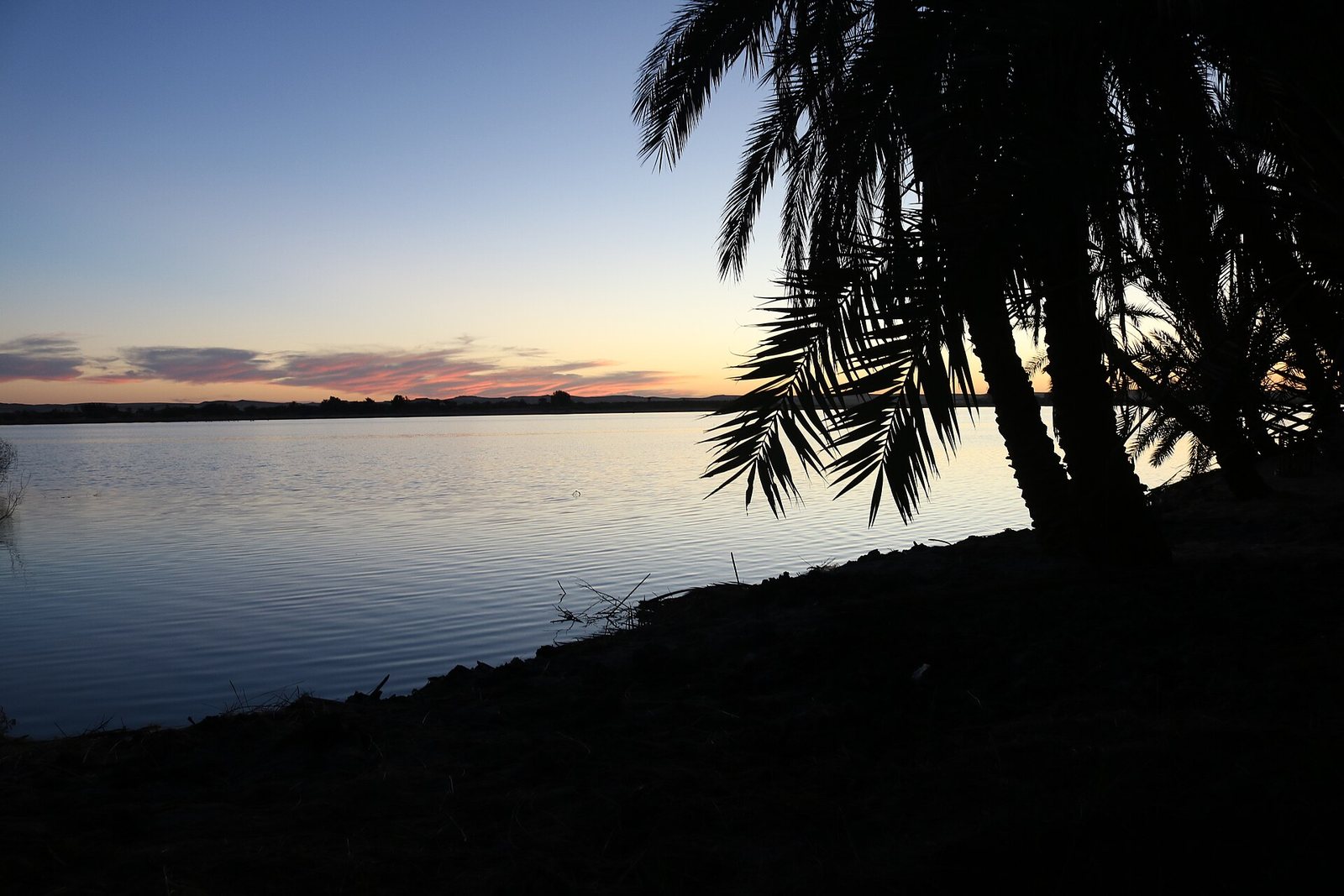
Bahariya Oasis: Valley of the Golden Mummies and a desert oasis overnight
In Pictures
A Glimpse of the Journey
Day by Day
Your Complete Itinerary
Your tour manager meets you at Cairo International Airport, helps with the visa and luggage, and transfers you privately to your hotel. The evening is yours to rest after the flight, with a short briefing to confirm pickup times for the days ahead.
Meet-and-greet at Cairo International Airport
Private air-conditioned transfer to your hotel
Assistance with entry visa and check-in
Evening at leisure and trip briefing
After breakfast you head to the Giza Plateau to stand before the Great Pyramids of Khufu, Khafre and Menkaure, the Great Sphinx and the Valley Temple. After lunch at a local restaurant you explore the Grand Egyptian Museum, home to the complete Tutankhamun collection, a short drive from the pyramids.
Great Pyramids of Giza, Sphinx and Valley Temple
Optional interior visit to the Great Pyramid
Lunch at an Egyptian restaurant
Grand Egyptian Museum guided visit
A morning drive of around four hours brings you into the Western Desert and the palm-fringed oasis of Bahariya. You visit the Golden Mummies showroom, the Tombs of the Nobles from the 26th Dynasty and the Tomb of Bannantiu, then climb the English House hill for a panoramic sunset over the oasis before dinner at your desert lodge.
Scenic 360km drive from Cairo to Bahariya
Golden Mummies showroom and Tombs of the Nobles
Tomb of Bannantiu (26th Dynasty)
English House viewpoint at sunset
Overnight and dinner at a Bahariya oasis lodge
The full desert circuit unfolds today: the basalt-capped hills of the Black Desert, a soak at the El-Haize (St George) hot spring, the quartz ridge of Crystal Mountain and the wind-sculpted rock arches of the Valley of Agabat. By late afternoon your convoy enters the White Desert National Park to camp among its giant chalk mushrooms, with dinner cooked over the fire under a blaze of stars.
Black Desert: volcanic black-rock cones
El-Haize hot spring stop
Crystal Mountain quartz ridge
Valley of Agabat rock formations
White Desert National Park camp and star-lit dinner
Wake for sunrise among the chalk formations in their softest pink light, the most photogenic hour in the desert. After a camp breakfast and time to relax by the white limestone springs, you begin the drive north, arriving back in Cairo in the evening. An optional Nile dinner cruise or Sound & Light show can round off the day.
Sunrise and photography in the White Desert
Camp breakfast and morning at the springs
Drive back to Cairo
Optional evening Nile dinner cruise or Sound & Light show
A relaxed breakfast and free time before your midday check-out. Your representative transfers you privately to Cairo International Airport in good time for your onward flight home.
Breakfast and leisurely morning
Hotel check-out
Private transfer to Cairo International Airport
Where You Stay
Three Exceptional Settings
3 Nights Cairo
4-Star Hotel, Cairo
★★★★
● Bed & Breakfast
1 Night Bahariya
Bahariya Oasis Lodge
★★★★
● Half Board · Oasis
1 Night White Desert
Bedouin Desert Camp
★★★★
● Full Board · Under the Stars
The Fine Print
What's Included
Included
✓All private 4WD transfers throughout
✓Desert guide (private, English-speaking)
✓White Desert camp dinner and breakfast
✓Bahria Oasis museum entrance fee
✓Giza and all Cairo site entrance fees
✓Grand Egyptian Museum ticket
Not Included
✗International flights and Egypt visa
✗Some lunches and dinners in Cairo
✗Sandboarding equipment hire
✗Personal expenses and shopping
✗Alcoholic beverages
✗Tips for guides and drivers
Make It Yours
Optional Experiences
🌌
White Desert Extra Night
A second night among the chalk formations gives you a longer morning exploration and the chance to watch two consecutive sunrises over the monoliths at your own pace.
🔟
Sandboarding
Desert dune sandboarding guided by a local Bedouin on the sand dunes at the edge of the White Desert. Equipment hire is included in this add-on.
🏌
Hot Air Balloon, White Desert
A sunrise balloon over the chalk formations (seasonal availability): an aerial perspective on one of the world's most unusual landscapes, impossibly beautiful in the early light.
𓂀
Tutankhamun's Tomb
Add a Valley of the Kings day trip from Luxor to this itinerary as a two-day extension. The boy pharaoh's burial chamber requires a separate ticket and limited daily access.
🌌
Nile Felucca Evening
An evening felucca sail on the Nile in Cairo before the desert departure, catching the last light over the city and the minarets from the water.
▷
Farafra Oasis Overnight
Extend the desert leg with a night in the Farafra Oasis guesthouse, a quiet traditional stop between the White Desert and Cairo that few tourists reach.
Frequently Asked Questions
Everything You Need to Know
Yes. The Bedouin-style camp includes insulated tents or open-air sleeping mats, wool blankets, a full dinner cooked over the fire, and a camp breakfast at sunrise. The White Desert in winter nights is cold (5–10°C) so warm layers are needed. In spring and autumn, nights are mild and perfect for sleeping under the stars.
Approximately 350km southwest of Cairo (4–5 hours by 4WD). The road is sealed for most of the route. The final section into the desert is off-road but entirely manageable in our vehicles.
A vast Roman-era necropolis discovered in 1996 at Bahria Oasis. Thousands of mummies have been found, many decorated with gold leaf, gilded face masks and jewellery. A purpose-built museum displays a selection of them. It is one of the most unusual and undervisited archaeological sites in Egypt.
No. Walking on sand requires moderate fitness but nothing demanding. The jeep does the heavy lifting. If you have mobility issues, the desert camp may not be suitable, but the day circuits to Bahria and the White Desert are accessible from the vehicle.
October to April. Summer in the desert exceeds 40°C and camping is not advisable. November through February offers the most dramatic landscapes with crisp, clear desert air.
Yes. Many guests do Cairo and the desert adventure, then fly to Aswan for a Nile cruise as an extended 10-day itinerary. Contact us for combined itinerary pricing.
Comfortable hiking boots or trainers, a warm layer for the night (desert nights are cold from October to April), sunscreen, hat and a headlamp. The camp provides blankets, a sleep mat or cot, and all camp dinner gear.
The Grand Egyptian Museum (GEM) on the Giza plateau is included on Day 1 or Day 5 (your choice). It is Egypt's flagship museum, opened fully in 2023, and houses the complete contents of Tutankhamun's tomb alongside an extraordinary breadth of Pharaonic artefacts.
Is This Tour Right for You?
Designed for Every Kind of Traveller
🏔
Nature Lovers
The White Desert's chalk landscape is one of the most otherworldly places on earth.
📷
Photographers
Volcanic black rocks, quartz crystals, chalk monoliths and a sky full of stars.
🐾
Adventure Seekers
4WD convoy through the Sahara, desert camp and Bedouin food under the stars.
📆
Short Breaks
6 days, two worlds: monuments and wilderness. The perfect compact Egypt trip.
Every journey we build is private, guided and crafted around you. Tell us your travel dates and group size and we'll send you a personalised itinerary within 24 hours.